Kohan Diyar is the story of iranian identity.Let us travel through history together for a few moments.
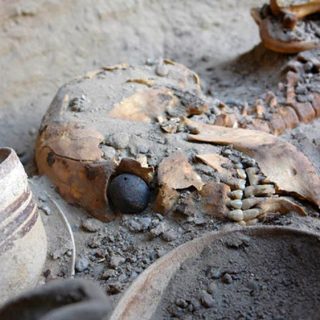
Modern humans emerged from caves, began settling in one place, formed communities, and built their first settlements upon the hills. They learned to make tools, to farm, and to domesticate animals.They shaped vessels and painted upon them; in truth, they recorded the growth of their own minds and left it for us within the layers of the earth. And now, after thousands of years of experience and learning, we arrive at around 3500 BCE the moment when the first great Iranian civilization takes form…
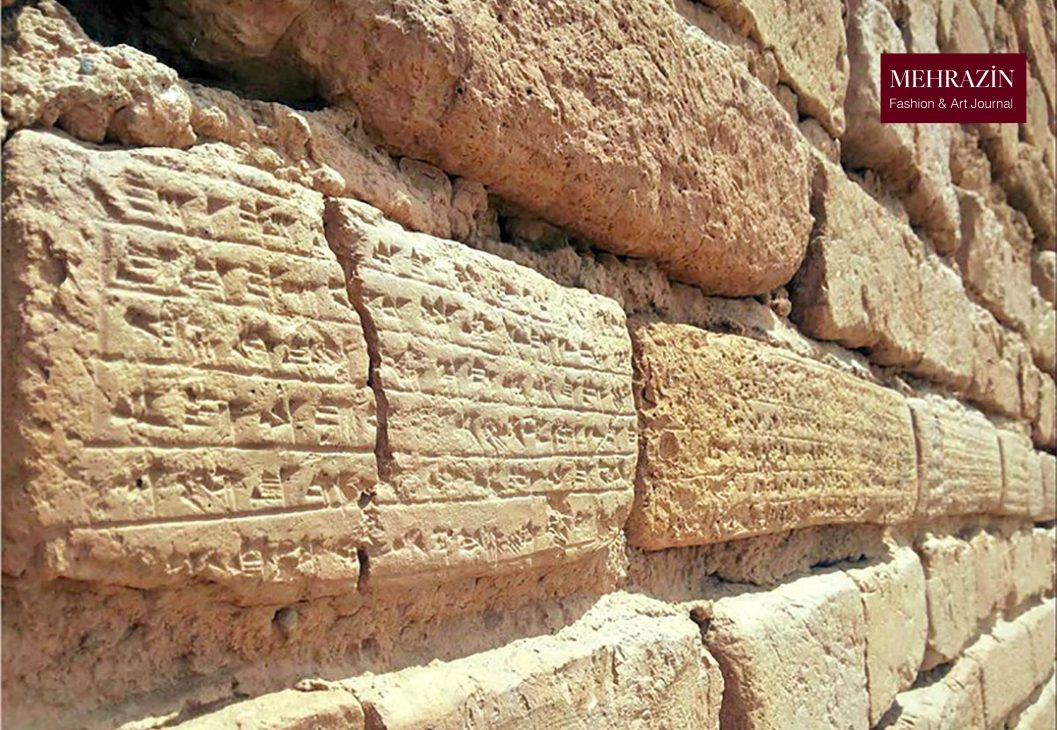
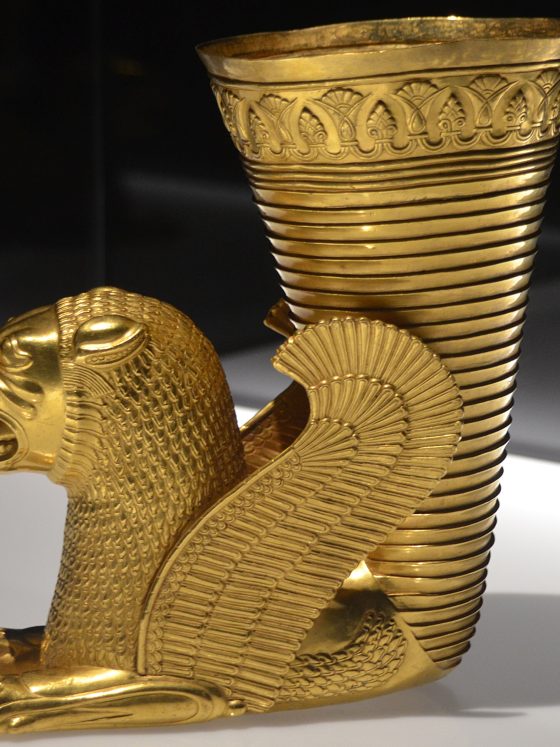
The Elamite Civilization. In the lands of present-day Khuzestan and Fars, a people rose to power and established the city of Susa at the center of their realm a city that would later be known as the Mother of Cities, and one of the oldest cities in the world. Elam stood as a bridge between East and West; between the civilizations of the Lut Desert and those of Mesopotamia. It was here that one of the earliest forms of writing emerged: a pictographic script known as Proto-Elamite a script that gradually evolved into Elamite cuneiform. Art flourished. Pottery had become an advanced craft. But with the discovery of bronze the alloy of copper and tin artistic focus shifted toward metalwork. Bronze, silver, and gold vessels began replacing older pottery, though vivid red, purple, orange, and black painted motifs still adorned ceramic surfaces.
Jars, cylindrical seals rolled across clay to imprint the power and identity of their owners the famous horned goat motifs, and bronze figurines all tell the story of this era.
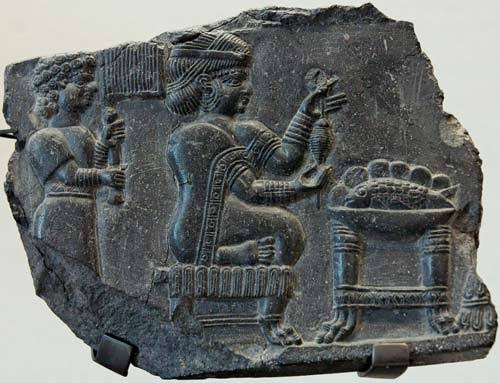
Among them stands the statue of Queen Napir-Asu, wife of the ruler of Susa, revealing that women held significant status within Elamite society. In one relief, a human figure is shown spinning and weaving a realistic image that reflects both artistic mastery and the careful observation of daily life by the people of that age.
But perhaps the grandest legacy of the Elamites lies in their architecture.
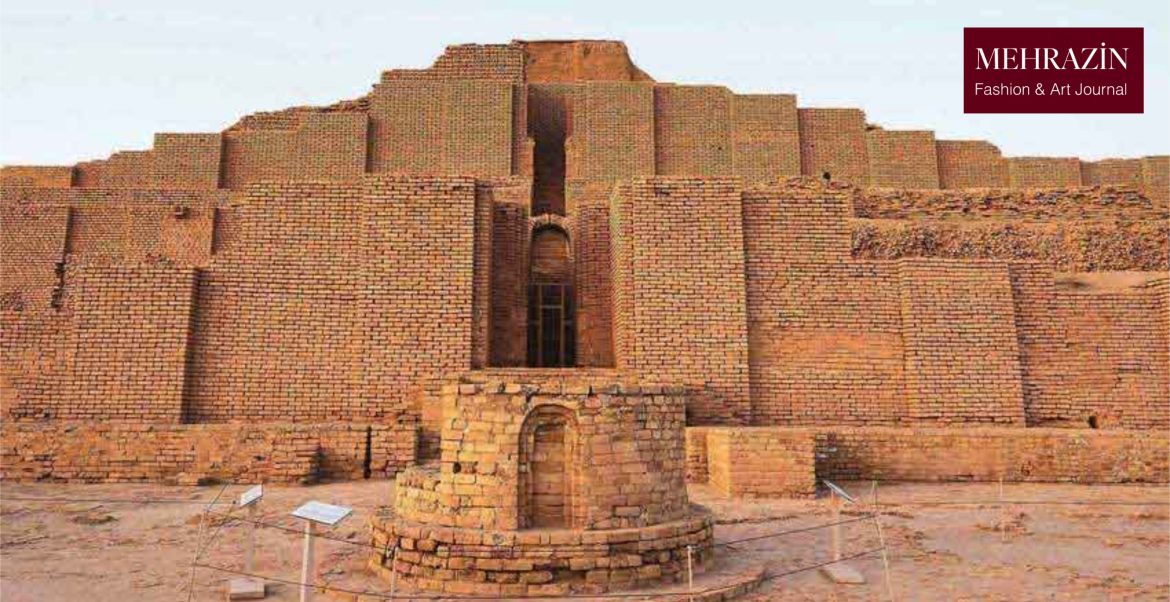
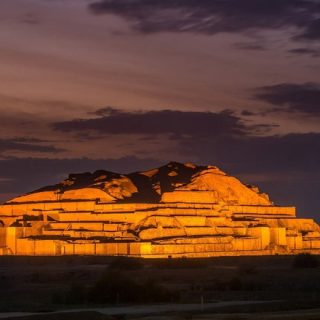
Across the plains of Khuzestan rises a structure whose magnificence remains astonishing even today: The Ziggurat of Chogha Zanbil.
Its original name was Dur Untash a sacred city built by order of King Untash-Napirisha.
A place where earth and sky were believed to meet.
For a people surrounded not by towering mountains, this structure represented the highest point in the world a place of worship, political authority, and connection to the cosmos. Chogha Zanbil remains the largest surviving mud-brick monument in the world. It was among the first structures in Iran to be decorated with glazed bricks, and even contains signs of one of the earliest uses of glass in architecture. Its wooden doors were adorned with gold, silver, and ivory. And relief carvings suggest that music was an inseparable part of Elamite rituals and celebrations.
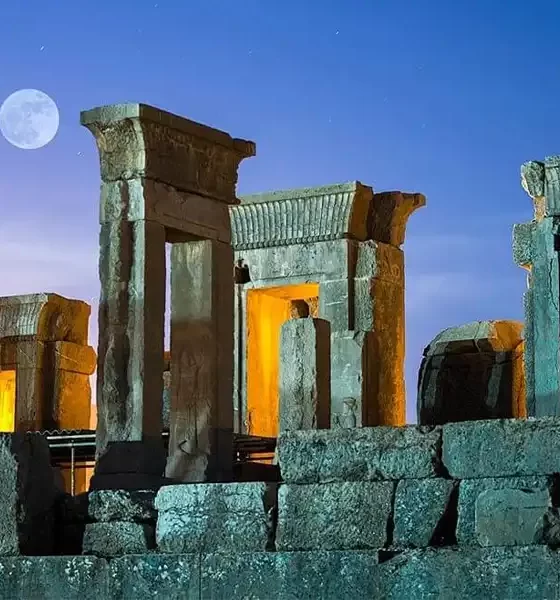
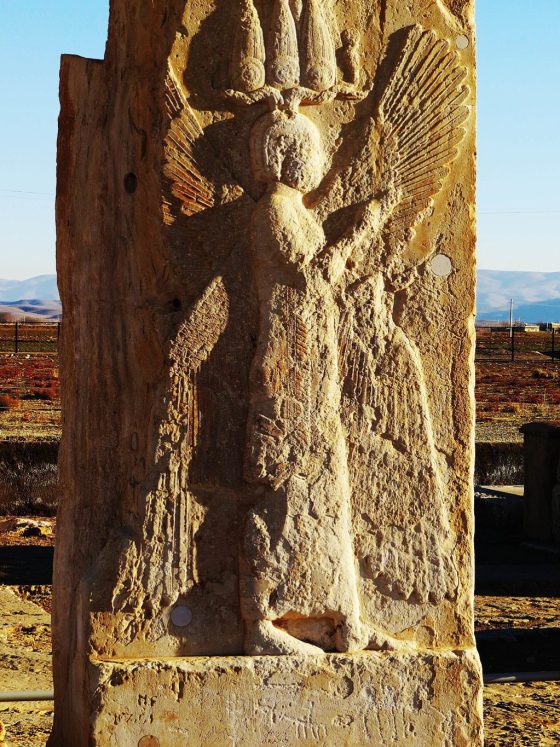
The culture and artistry of Elam would later continue to live on within the Achaemenid Empire.
Kohan Diyar is the story of our identity and our history a story that must never be forgotten.