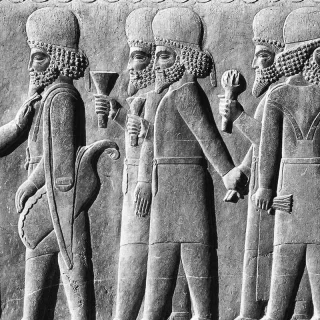
Kohan Diyar is the story of our identity.Let us journey through history together for a few moments.
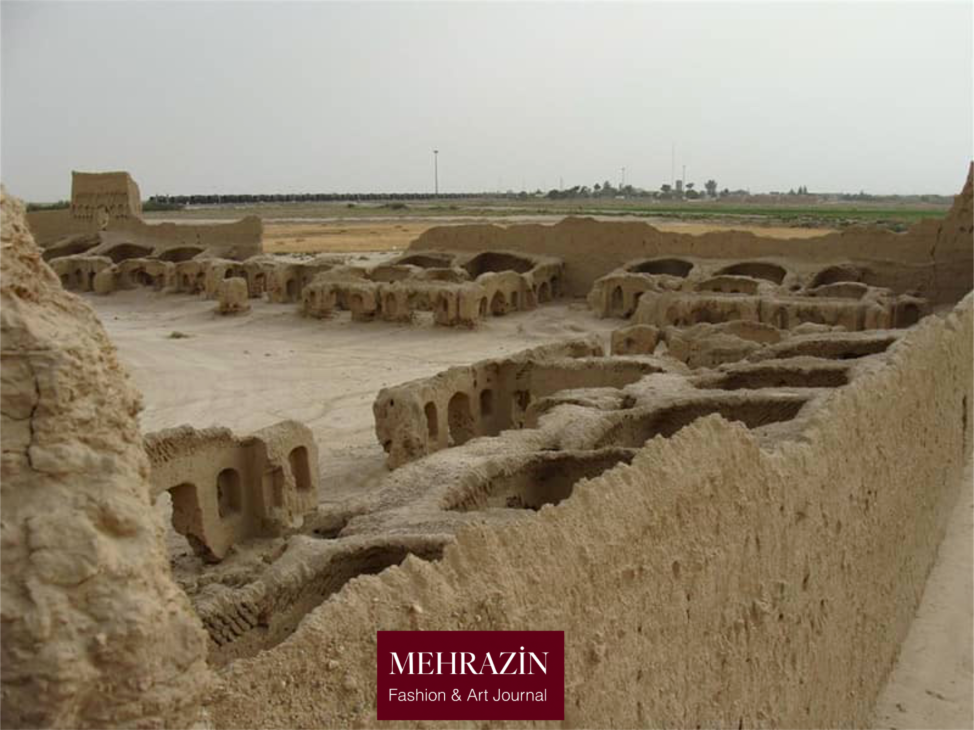
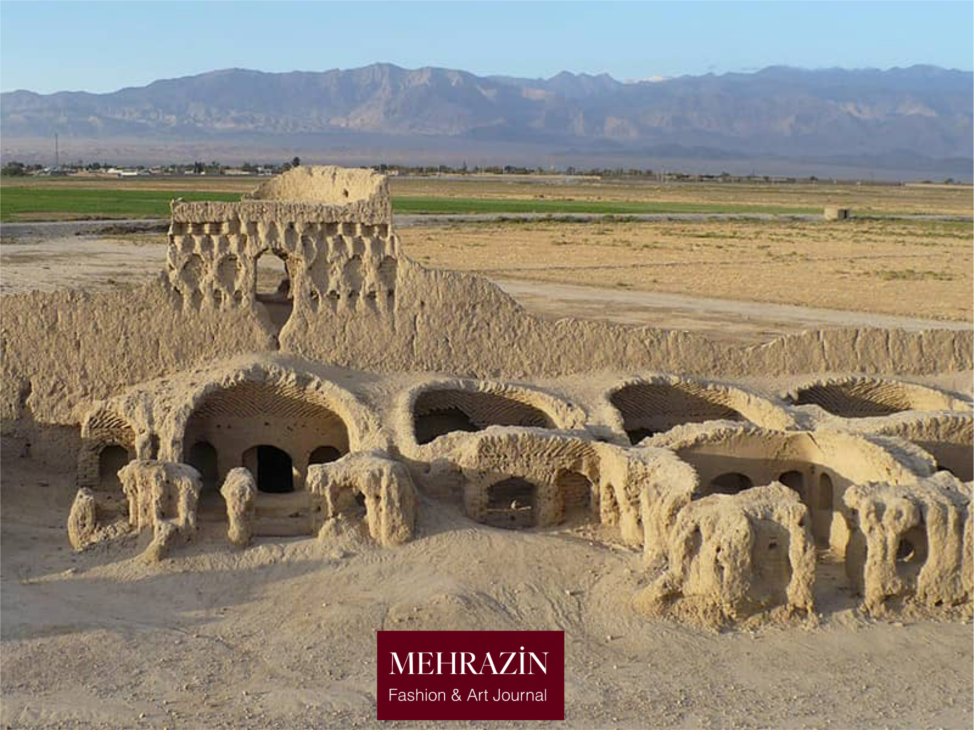
At the same time as Elam around the fourth and third millennia BCE while the first great centers of civilization were forming in the Iranian Plateau around Susa and the lands of present-day Khuzestan and Fars, many other parts of the plateau were alive with settlements and rising communities each one completing a piece of the puzzle of civilization. In the northeast of the plateau, we find Tepe Hissar of Damghan a key archaeological site containing continuous layers of life and culture from the fifth to the second millennia BCE. In terms of trade and communication, it functioned as a bridge between Mesopotamia and Central Asia. In western Iran and the Zagros region, we encounter Tepe Giyan of Nahavand a place where archaeological research reveals multiple cultural layers and extensive cemeteries.
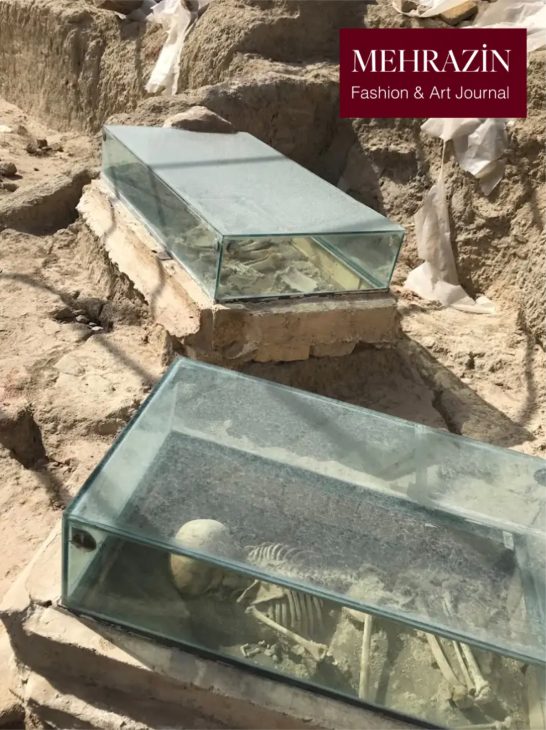
Here, people did not merely live they had rituals for death, placing objects beside the deceased, evidence that the concept of an afterlife had already taken root in the minds of society. Further along the communication routes of the Zagros, Godin Tepe also emerges as an important site a settlement that, during various periods including the fourth and third millennia BCE, served as a strategic commercial and cultural point within regional exchange networks.
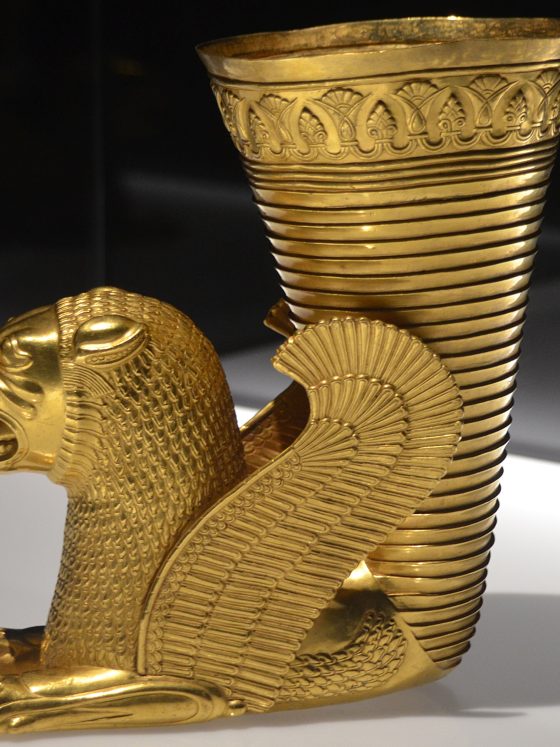
But if we move toward the east and southeast, the story becomes even more astonishing. We arrive at Tepe Yahya and the cultural sphere of Halil Rud and Jiroft a region where carved chlorite stone vessels, complex decorative motifs, carefully planned architecture, and signs of long-distance exchange have all been discovered. This shows us that eastern Iran, too, was a center of meaning, artistry, and wealth. In the north of Iran, slightly later than early Elam, along the communication routes between the Caucasus and central Iran, Marlik shines as an elite Iron Age cemetery filled with golden cups and sacred ceremonial symbols.
So when we speak of Elam, we must remember this: Ancient Iran was never a single-centered land. It was a land of many voices many centers, many artistic styles, but one shared path: The gradual movement of humanity from village and hilltop settlement… toward city and civilization. And perhaps most fascinating of all is the diversity of artistic expression from abstraction to realism and the beliefs and rituals hidden behind each of these forms. Kohan Diyar is the story of our identity a story we must never forget.