Royal Ascot: Where Fashion Crosses the Finish Line Before the Horses

If the Met Gala is fashion’s most celebrated red carpet, then Royal Ascot is undoubtedly Britain’s most extraordinary live runway.

Founded in 1711 under the patronage of Queen Anne, Royal Ascot has evolved far beyond a world-class horse racing event. Today, it stands as one of the defining social and fashion occasions of the global calendar, where the British Royal Family, aristocracy, international celebrities, and the world’s leading luxury houses converge for a week in which style often takes center stage before sport. Long before the first race begins, the conversation is already dominated by fashion.

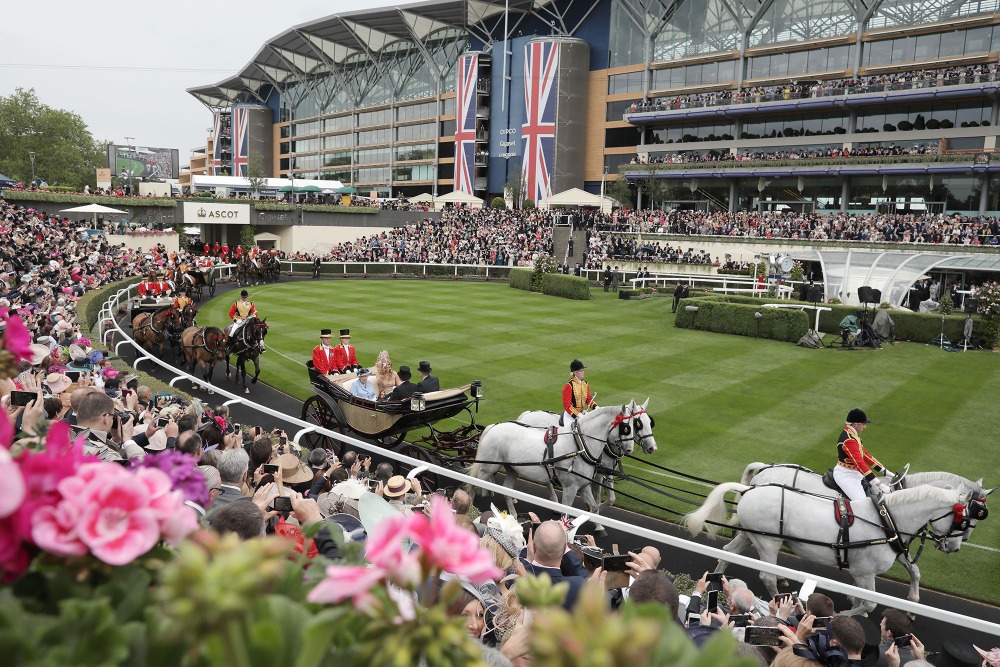
As tradition dictates, this year’s event officially opened with the Royal Procession a spectacular entrance of twenty horse-drawn carriages carrying members of the Royal Family, a ceremony that continues to symbolize the elegance and heritage of Ascot.

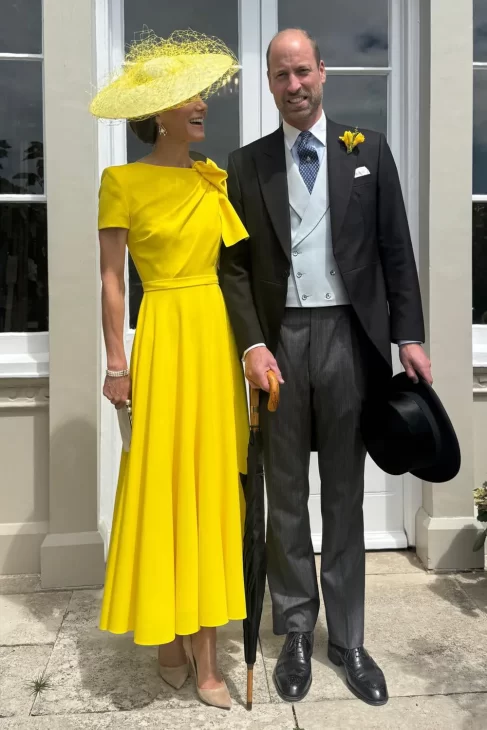
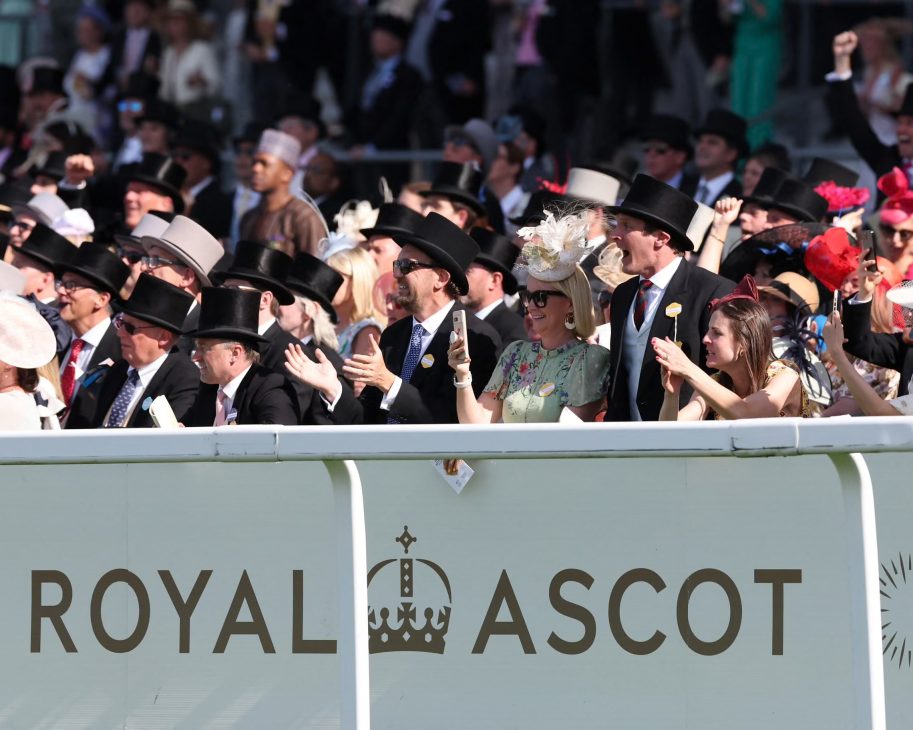
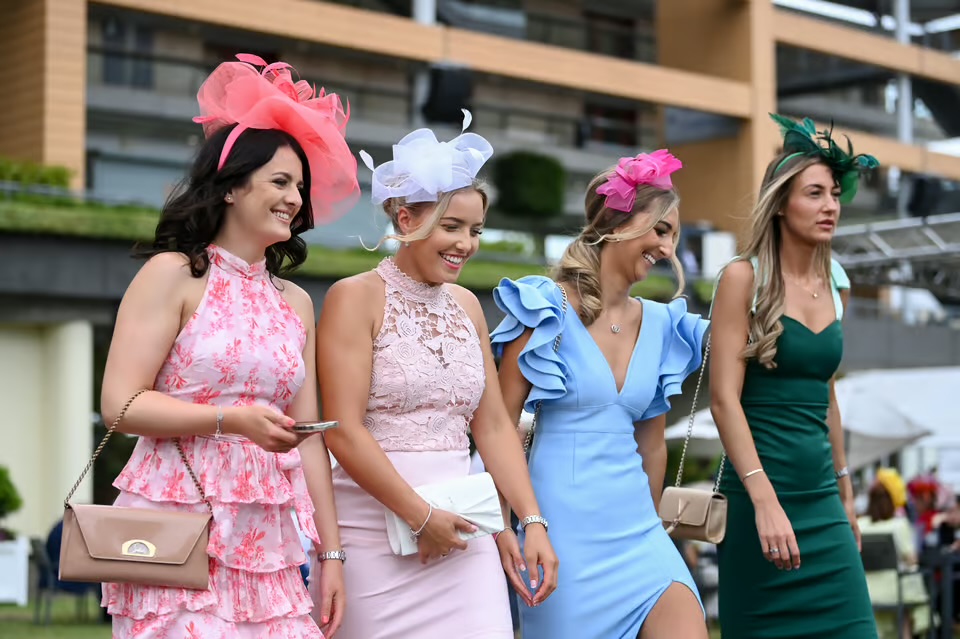
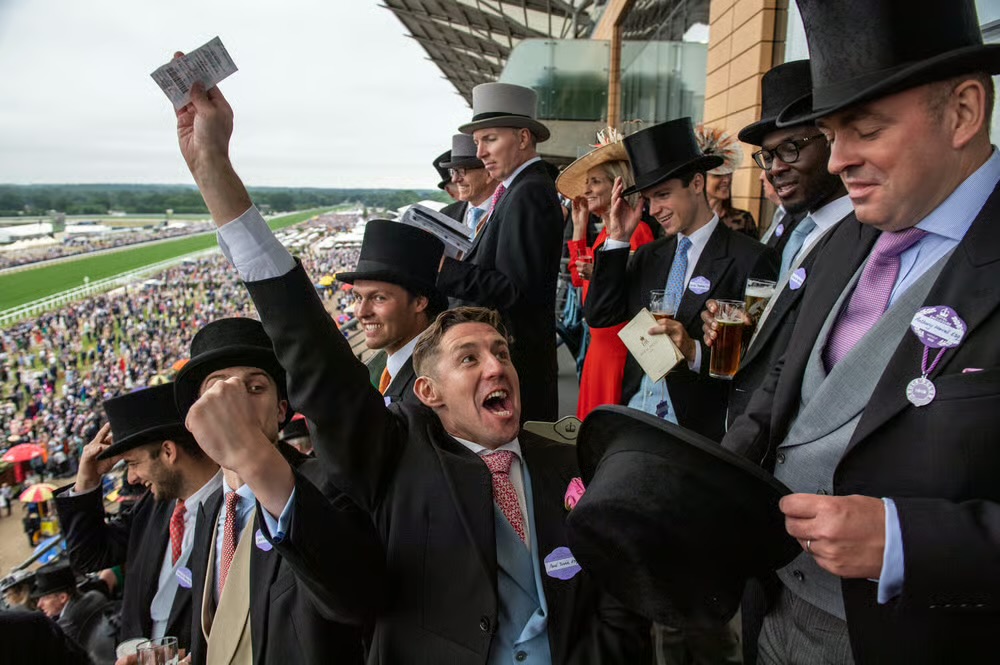
Yet the true icons of Royal Ascot are, without question, the hats. Adorned with sculptural silhouettes, hand-crafted veiling, dramatic feathers, and intricate three-dimensional florals, many of these millinery creations require hundreds of hours of craftsmanship, blurring the line between fashion accessory and wearable art. Inside the prestigious Royal Enclosure, tradition remains uncompromising. Dress codes are still enforced with remarkable precision: covered shoulders and formal daywear for women, while gentlemen are expected to wear morning dress complete with waistcoat, tie, and the unmistakable black top hat.

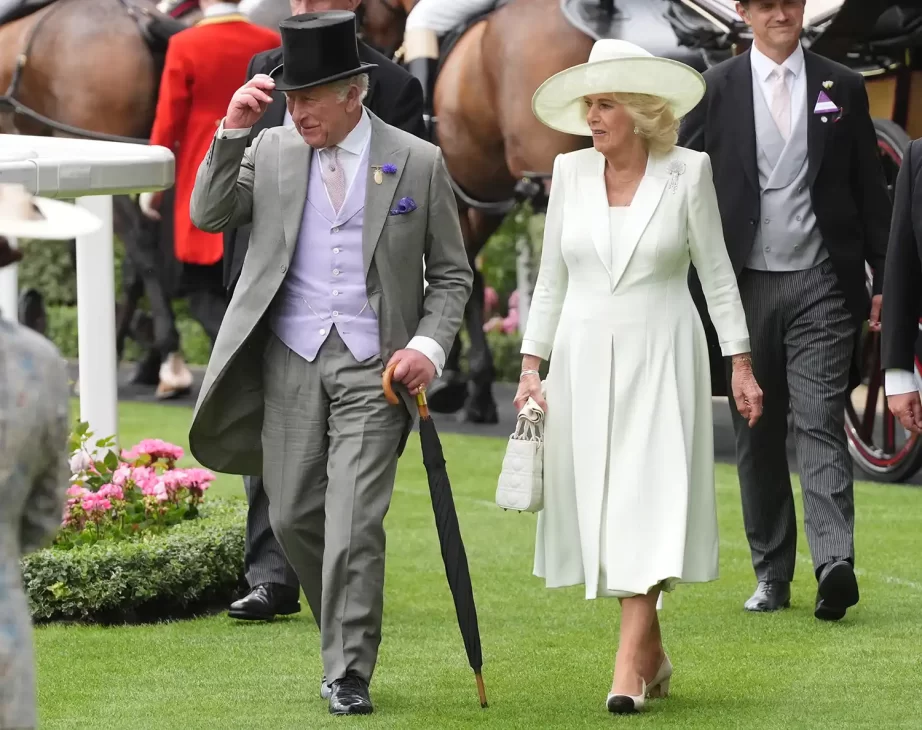
In an era where trends seem to change overnight, Royal Ascot offers something increasingly rare a celebration of personal style expressed within the framework of centuries-old etiquette. It is proof that tradition and creativity are not opposing forces, but enduring partners. Among this year’s distinguished guests, Henry Cavill embodied understated British elegance with a refined minimalist look, while King Charles III, Queen Camilla, Prince William, and Catherine, Princess of Wales, once again demonstrated why the British Royal Family continues to influence the language of contemporary style. The fashion conversation extended well beyond tailoring. Structured top-handle handbags, elegant mini bags, slingback heels, Mary Jane shoes, and a palette of cream, ivory, sky blue, pastel pink, and butter yellow defined the wardrobes of this year’s guests, perfectly capturing the enduring appeal of quiet luxury.
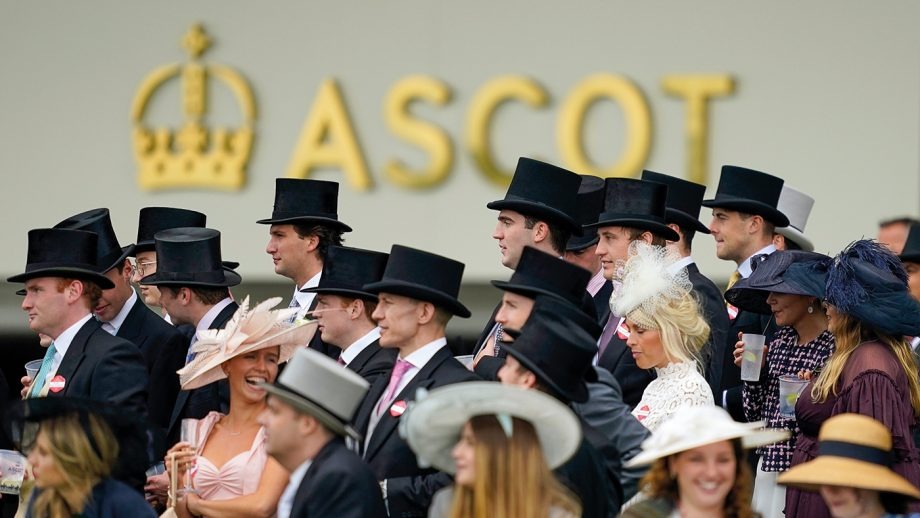
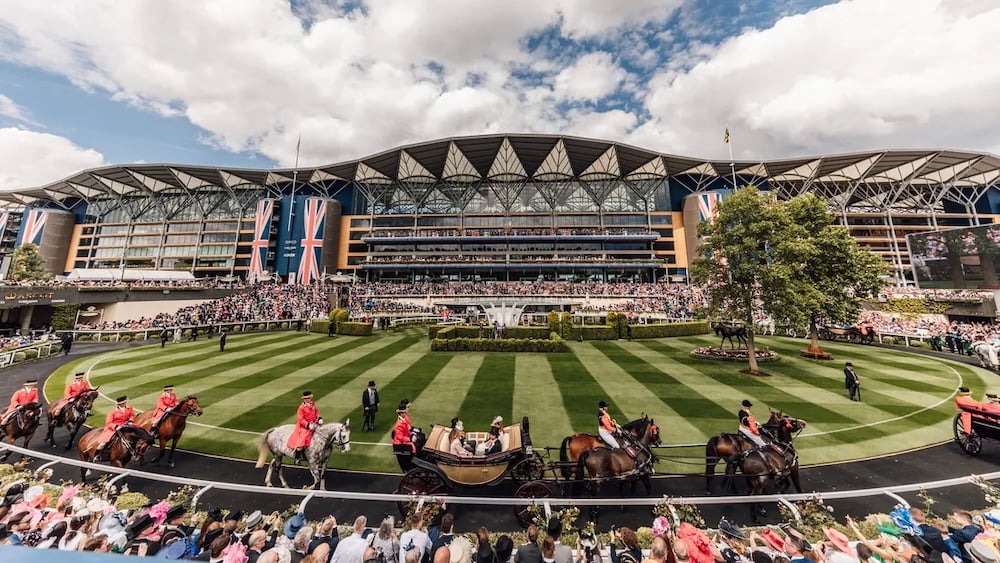
Royal Ascot unfolds across four distinct enclosures, each offering its own atmosphere and level of exclusivity, with tickets often secured months in advance. Beyond the racecourse, luxury brands transformed hospitality into immersive storytelling. Chanel unveiled one of the event’s most photographed destinations: a beautifully restrained 120-square-metre pavilion that felt less like a branded installation and more like an invitation into the House’s refined lifestyle. Dubai, meanwhile, created one of the week’s most imaginative experiences. Inspired by the legendary Orient Express, guests stepped into meticulously designed railway carriages filled with vintage leather luggage, classic table settings, and cinematic windows that visually transported visitors on a journey from London to Dubai. Perhaps the most exclusive destination, however, belonged to Annabel’s.

The legendary private members’ club introduced an invitation-only hospitality space for its distinguished clientele a reminder that true luxury extends far beyond fashion. With lifetime memberships valued at approximately £250,000, transferable across generations and accompanied by privileged access to an exceptional network of private clubs, Annabel’s represents a world where exclusivity has become a way of life. And perhaps that is Royal Ascot’s greatest achievement. It is no longer simply a horse racing event, but a living exhibition of British aristocratic culture, masterful millinery, impeccable tailoring, luxury craftsmanship, and a lifestyle that has preserved its identity for more than three centuries. Every year, before the winning horse crosses the finish line, the fashion world is already asking a different question: What did Royal Ascot make fashionable this year?

One final royal moment, however, generated headlines of its own. Queen Camilla arrived carrying the iconic Lady Dior handbag an elegant choice that immediately reignited conversations about the enduring legacy of Princess Diana and one of fashion’s most recognizable accessories.

What do you think?

Your email address will not be published. Required fields are marked *

No Comments Yet.