Fendi Baguette: The Bag That Became an Identity

What makes certain handbags disappear after a few seasons, while others remain cultural icons for decades?
The answer lies far beyond design. The story of the Fendi Baguette is not simply about craftsmanship or luxury it is about identity, memory, and the remarkable ability of fashion to become part of popular culture. When Silvia Venturini Fendi introduced the Baguette in 1997, she quietly challenged the conventions of luxury accessories. At a time when handbags were meant to be carried by hand, she designed one that slipped effortlessly beneath the arm much like the French baguette from which it borrowed its name.
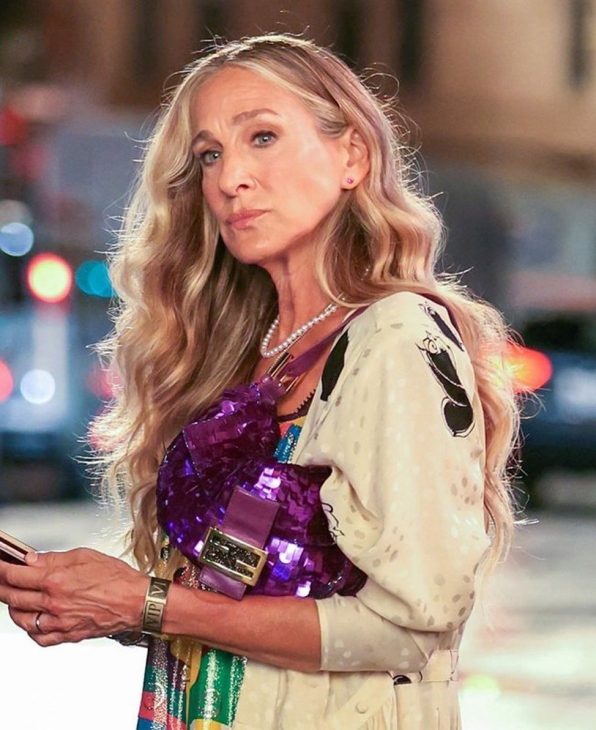
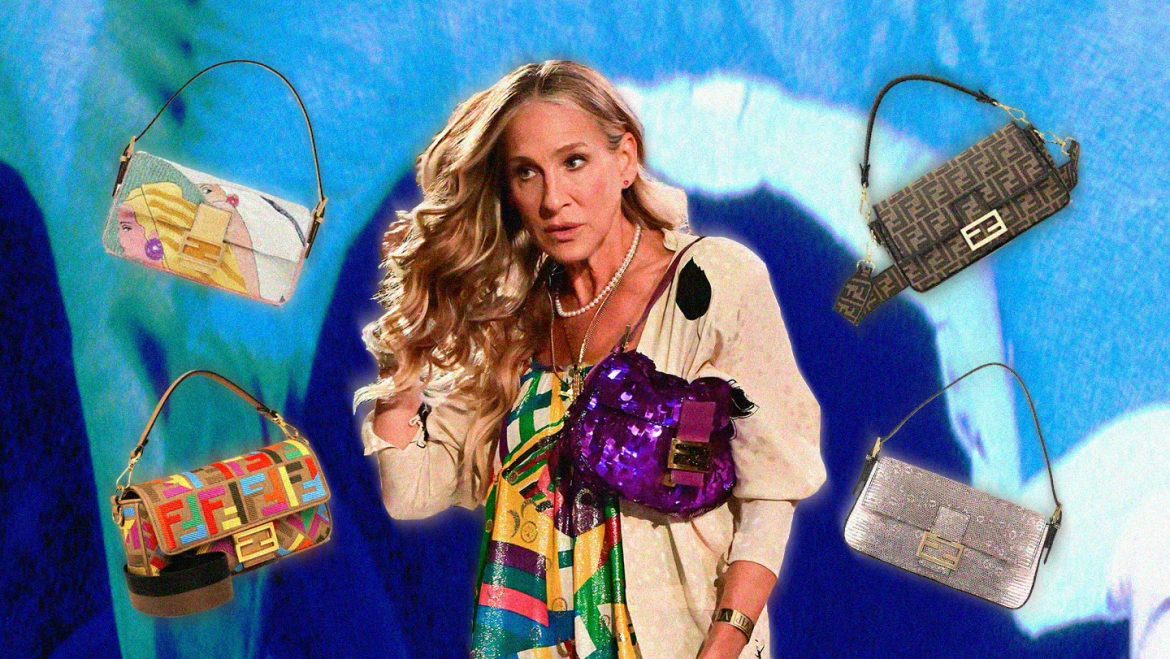
It was a simple gesture. One that would change handbag history forever. The true turning point arrived a few years later, when Carrie Bradshaw uttered what would become one of fashion’s most unforgettable lines in Sex and the City: “It’s not a bag. It’s a Baguette.” With a single sentence, the Baguette transcended product design and entered the cultural lexicon, becoming one of the most recognizable symbols in modern fashion.
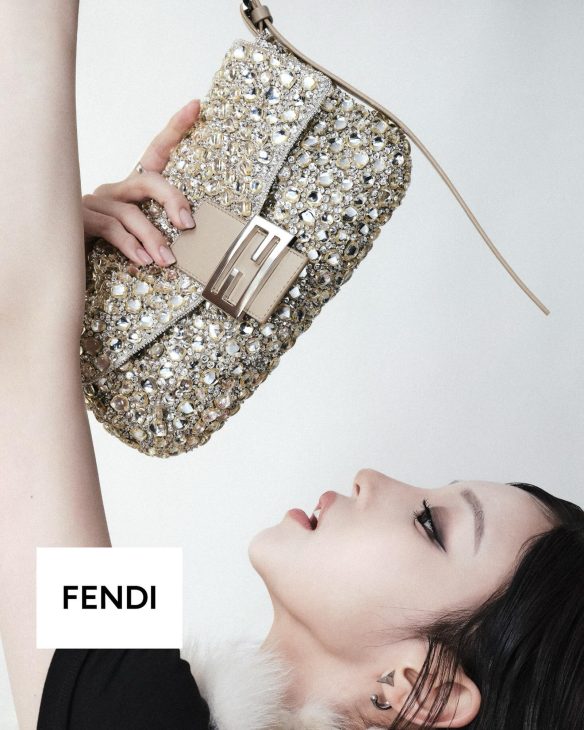
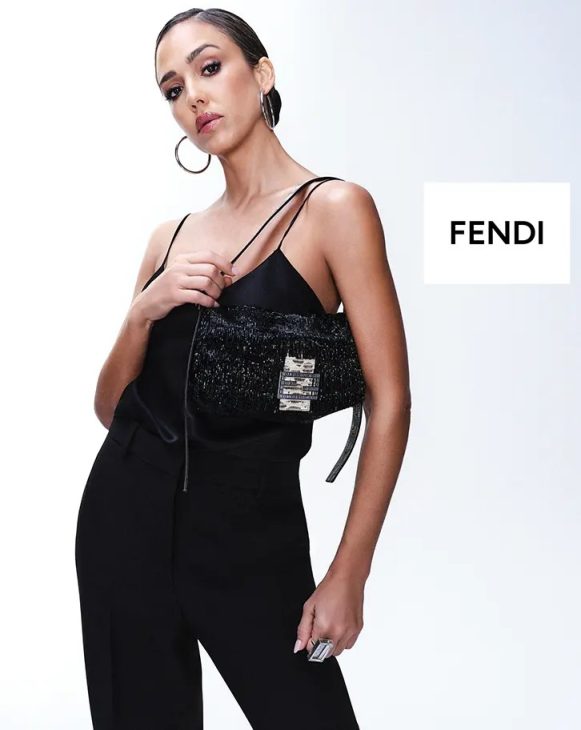
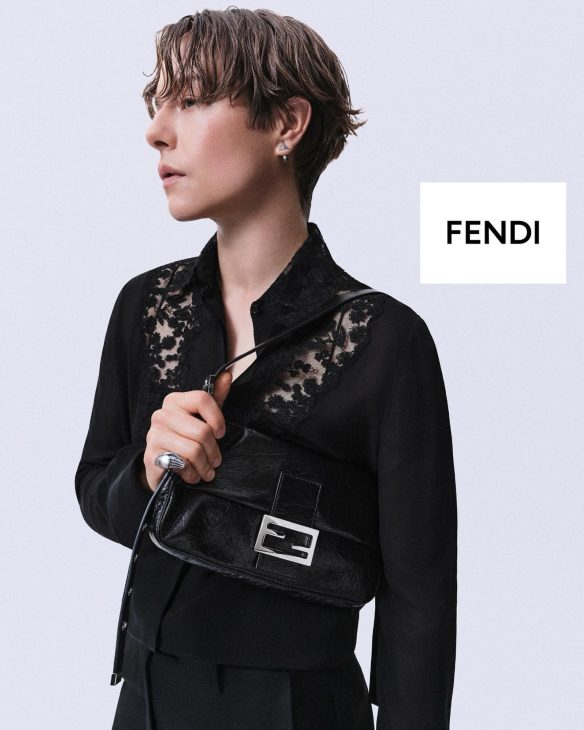
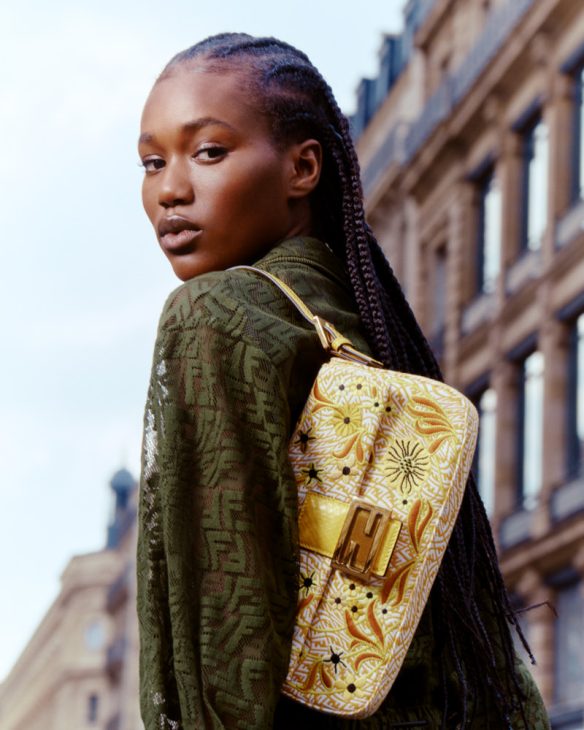
Nearly three decades later, Fendi returns to that legacy not through nostalgia, but through reinvention. For its Autumn/Winter 2026–27 campaign, the Roman House assembled an extraordinary cast spanning cinema, music, fashion, and contemporary culture. Familiar faces such as Sarah Jessica Parker appear alongside Bang Chan, Emma D’Arcy, Jessica Alba, Song Yuqi, Sophie Thatcher, Ren Meguro and a new generation of global creatives. Yet the campaign is not really about the handbag. It is about the people who choose to carry it.
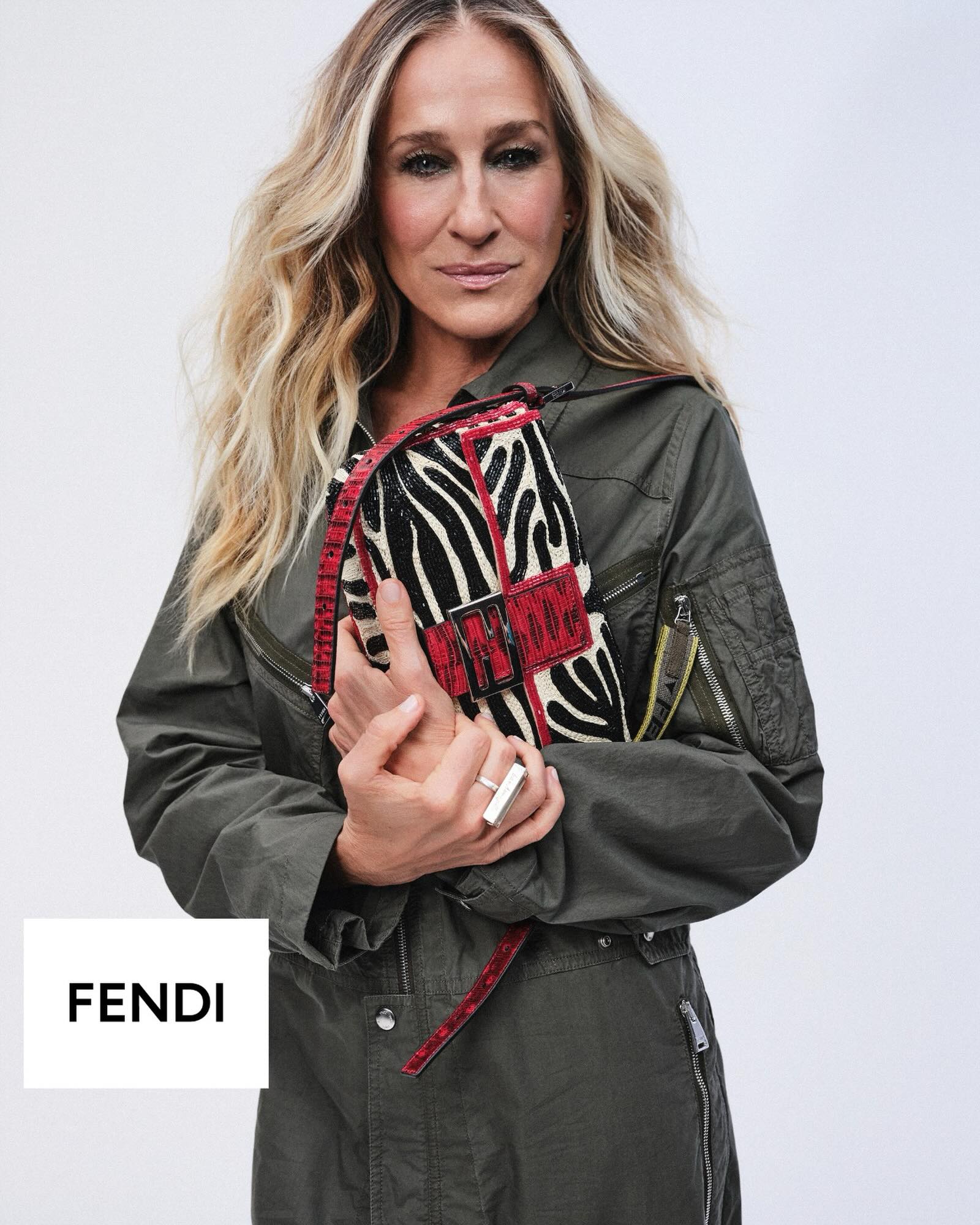
Each participant selected a different interpretation of the Baguette not merely as a fashion accessory, but as an extension of personal identity, character, and perspective. Inspired by Carrie Bradshaw’s legendary quote, Fendi expands the conversation with a new series of intimate declarations:“It’s for me.”“It’s my attitude.”“It’s my family.”“It’s my history.”Together, these statements redefine the Baguette not as an object of desire, but as a deeply personal expression of individuality. To capture this narrative, Fendi collaborated with British photographer Bibi Borthwick, whose creative direction rejected carefully constructed poses in favor of authenticity. Rather than asking the cast to perform for the camera, she encouraged them to move naturally, interact freely, and build an instinctive relationship with the bag.
The result is a campaign that feels less like advertising and more like a series of honest portraits moments where personality becomes the true luxury. Its emotional rhythm is elevated by Fame Is a Gun, performed by Addison Rae, whose soundtrack injects the campaign with the confidence, freedom, and energy of a new generation. The Baguette itself continues to evolve. Since its debut in the late 1990s, it has been reimagined through countless materials, intricate embroideries, sequins, leather craftsmanship, and artisanal techniques each edition preserving its unmistakable silhouette while embracing a new creative language. For Autumn/Winter 2026–27, the House once again revisits its most celebrated icon, reaffirming the timeless design codes that have made the Baguette one of fashion’s most enduring accessories. Perhaps that is the secret behind its longevity. The Baguette never aspired to become a passing trend.
Instead, every generation has found its own story within it. From Carrie Bradshaw to today’s global tastemakers, from the streets of New York to the runways of Milan, the Baguette has remained far more than a handbag. It is a cultural symbol. A personal statement. And one of the rare creations in fashion history that continues to prove a simple truth: The most iconic accessories are never defined by what they carry but by the stories they carry with them.