Trend Forecasting: The Science of Predicting the Future of Fashion, Culture, and Lifestyle

When people hear the word trend, they often think of the latest garments displayed in boutique windows, viral Instagram posts, or the collections presented on international runways. In reality, by the time a trend reaches consumers, most of its journey has already taken place. Months and sometimes even years before a particular color, fabric, silhouette, or lifestyle movement becomes mainstream, it has already been identified, analyzed, and interpreted by a group of specialists known as Trend Forecasters. A trend forecaster does far more than predict fashion. They study cultural shifts, social movements, technological innovation, economic conditions, and human behavior to understand where society is heading and how those changes will influence the way people live, consume, dress, and express themselves. For this reason, trend forecasting should not be viewed simply as a fashion discipline. It is an interdisciplinary field positioned at the intersection of fashion, sociology, psychology, economics, technology, design, anthropology, and consumer research.
Who Is a Trend Forecaster?
A trend forecaster is a researcher, analyst, and strategic thinker whose primary role is to identify signals of change long before they become visible to the general public. Instead of asking,“What’s fashionable today?”
they ask questions such as:
- What will people want to wear two years from now?
- Why will their preferences change?
- Which cultural shifts are shaping those choices?
- How should brands prepare for tomorrow’s consumers today?
This difference in perspective defines the profession. Trend forecasters do not rely on intuition alone, nor do they simply predict the future. Instead, they collect hundreds of seemingly unrelated signals, connect patterns across multiple industries, and transform them into evidence-based forecasts about what is most likely to happen next. Their work extends far beyond the fashion industry. Today, trend forecasters influence decision-making in beauty, automotive design, hospitality, architecture, interior design, technology, entertainment, consumer goods, and luxury lifestyle sectors. Every industry that depends on understanding human behavior can benefit from trend forecasting.
Why Do Global Brands Need Trend Forecasters?
Developing a fashion collection is an exceptionally long process. From concept development and fabric sourcing to sampling, manufacturing, marketing campaigns, logistics, and retail distribution, the journey from sketch to store often takes twelve to twenty-four months. If a company waits until a trend becomes visible in the marketplace, it is already too late. The brands that lead the industry are the ones preparing for consumer desires long before consumers themselves become aware of them. Trend forecasters help brands answer critical strategic questions:
- Which colors should be developed?
- Which fabrics deserve investment?
- Which silhouettes will resonate with future consumers?
- What values will define the next generation?
- How should a brand communicate its identity?
- Which cultural narratives should its collections reflect?
These insights influence millions of dollars in business decisions and often determine whether a collection becomes commercially successful or fails.
How Does a Trend Forecaster Conduct Research?
One of the biggest misconceptions about this profession is that trend forecasters simply watch fashion shows. Runway analysis is only one piece of a much larger research system. Professional forecasting combines observations from multiple disciplines to build a comprehensive understanding of future consumer behavior.
Runway Analysis
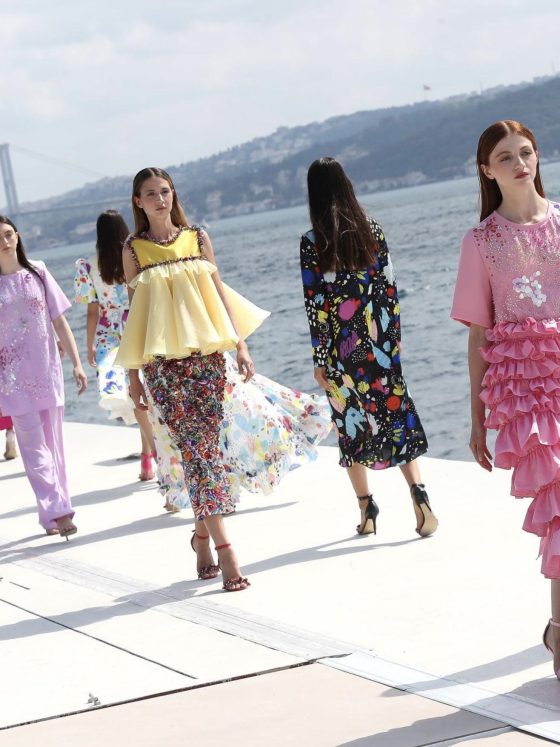
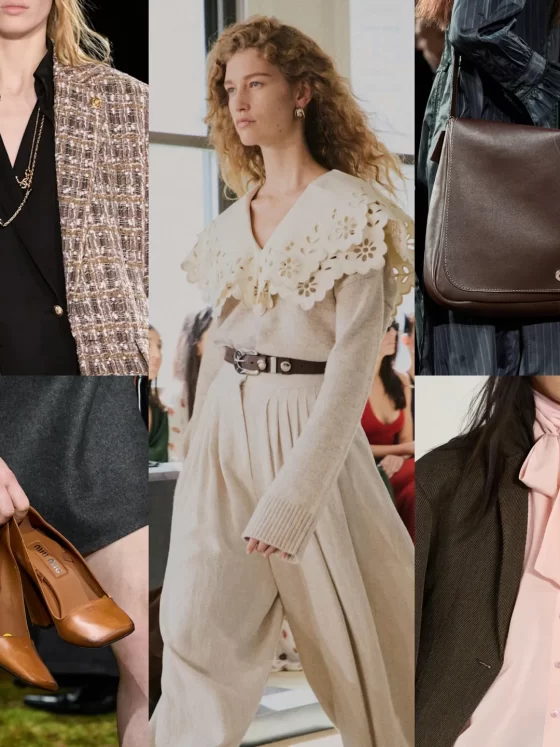
Fashion weeks remain one of the most valuable sources of information. However, trend forecasters are not merely observing garments they are identifying recurring patterns. They examine questions such as:
- Which colors repeatedly appear across different luxury houses?
- Which fabrics are becoming more prominent?
- How are proportions changing?
- Are silhouettes becoming softer or more structured?
- Are designers looking toward nostalgia or innovation?
When several influential designers independently arrive at similar creative directions, those similarities often indicate the beginning of a broader cultural movement rather than isolated artistic choices.
Street Style Observation
Equally important is observing how people dress outside the runway. Cities such as Paris, Milan, London, New York, Copenhagen, Seoul, and Tokyo function as living laboratories for emerging fashion behavior. Trend forecasters study not only clothing, but also how individuals combine garments, carry accessories, style their outfits, and express identity through everyday dress. Street style often reveals how consumers reinterpret luxury ideas long before those interpretations appear in commercial collections.
Social Media Analysis
Platforms such as Instagram, TikTok, Pinterest, YouTube, and Reddit have become invaluable research tools. Yet professional forecasters are not interested in likes or follower counts. Instead, they analyze behavioral patterns:
- Which colors repeatedly appear?
- Which visual aesthetics are rapidly spreading?
- What are users searching for?
- Which themes generate meaningful engagement?
- Which conversations are growing organically? The goal is not to identify viral moments, but to understand the cultural forces driving them.
Culture as the Foundation of Trends
Perhaps the most important principle in forecasting is this: Fashion trends do not begin with clothing. They begin with culture. For this reason, trend forecasters continuously study:
- Cinema
- Television
- Music
- Contemporary art
- Architecture
- Literature
- Gaming
- Photography
- Interior design
- Hospitality
- Travel
- Culinary culture
Every cultural movement has the potential to reshape aesthetics. For example, renewed interest in medieval fantasy through films and video games eventually influenced embroidery, rich textiles, dramatic silhouettes, and historical references within luxury fashion. Likewise, growing appreciation for slower living, craftsmanship, and authenticity contributed to movements such as Quiet Luxury and Cottagecore. Trend forecasters identify these relationships long before they become obvious to the broader market.
Sociology and Psychology: The Heart of Trend Forecasting
Fashion is ultimately a reflection of society. Therefore, understanding people is more important than understanding garments. Trend forecasters examine demographic shifts, migration patterns, family structures, work habits, environmental concerns, political climates, economic uncertainty, mental health, and generational values. For example, the COVID-19 pandemic dramatically accelerated the demand for comfort-driven clothing. The popularity of knitwear, activewear, and relaxed tailoring was not simply a fashion decision it reflected profound lifestyle changes, remote working, and shifting emotional priorities. Psychology is equally important. Trend forecasters seek to understand why people buy. Do consumers seek status?
Belonging?
Self-expression?
Security?
Comfort?
Identity?
These motivations shape purchasing decisions far more deeply than aesthetics alone.
Economics, Technology, and Sustainability
Economic conditions have always influenced fashion. During periods of economic uncertainty, consumers often favor timeless design, durability, investment pieces, and minimalism. During economic expansion, experimentation, bold colors, expressive silhouettes, and discretionary spending generally increase. Technology represents another powerful driver of change. Artificial Intelligence, 3D printing, wearable technology, smart textiles, augmented reality, virtual reality, and digital fashion continue to reshape both product development and consumer expectations. A professional trend forecaster must understand these innovations not only from a technological perspective, but also through their cultural and commercial implications. Sustainability has also evolved from a niche conversation into a central business strategy. Circular fashion, recycled materials, transparent supply chains, ethical manufacturing, repair culture, rental services, and environmental responsibility are no longer optional considerations they are becoming defining characteristics of future consumer behavior.
The Deliverables of a Trend Forecaster
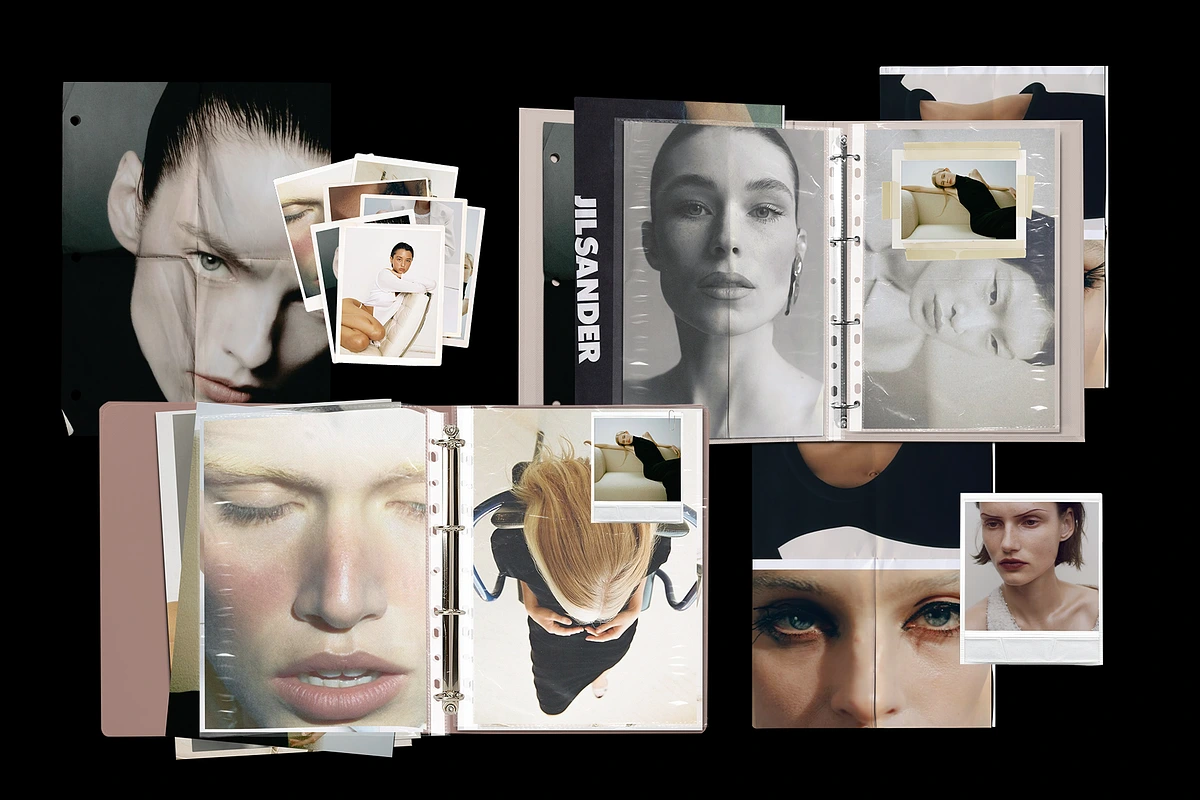
The research process ultimately becomes a series of professional forecasting tools that guide designers, executives, marketers, and product developers. Among the most important are: Trend Reports – Comprehensive analyses explaining emerging movements, the cultural forces behind them, and their implications for business. Mood Boards – Carefully curated visual compositions that communicate the emotional atmosphere of a future trend through imagery, textures, colors, materials, typography, and references. Color Forecasts – Predictions identifying future color palettes based on cultural analysis, consumer sentiment, seasonal evolution, and global influences. Fabric Forecasts – Strategic recommendations regarding textiles, materials, finishes, innovations, and manufacturing developments. Silhouette Forecasts – Analysis of garment proportions, volume, tailoring, construction, and overall shape expected to dominate future collections. Consumer Insight Reports In-depth studies exploring customer motivations, behavioral shifts, purchasing habits, generational values, and emerging market opportunities. Lifestyle Forecasts Broader predictions examining how evolving lifestyles, work patterns, wellness, travel, technology, and social values will influence future products and services. Together, these reports become the foundation upon which creative directors, designers, buyers, merchandisers, and brand strategists make informed decisions.
Essential Skills of a Professional Trend Forecaster
Success in this profession depends on much more than having good taste. An exceptional trend forecaster combines analytical thinking with cultural sensitivity and creative observation. They possess the ability to recognize patterns before others notice them, connect seemingly unrelated ideas, interpret cultural movements, understand history, analyze consumer behavior, evaluate economic conditions, and communicate complex research through compelling visual storytelling. Above all, they transform vast amounts of information into actionable insights that help businesses design for tomorrow rather than react to yesterday.
With all of this in mind, it becomes clear that trend forecasting is far more than predicting next season’s colors, silhouettes, or fabrics. It is the discipline of understanding human evolution through the interconnected lenses of culture, society, psychology, economics, technology, and design. A successful trend forecaster does not simply observe what people are wearing today; they recognize the subtle signals of change long before they become visible to the wider public. They understand why these shifts are happening, how they are connected, and what they will ultimately mean for consumers, brands, and industries. In an increasingly complex and rapidly evolving world, trend forecasters are not merely anticipating fashion they are interpreting the future of human behavior. Their true value lies not in telling us what people will wear tomorrow, but in explaining why tomorrow will be different from today, and how brands can make informed, meaningful decisions before that future arrives. Ultimately, trend forecasting is about transforming uncertainty into insight. It enables businesses to move beyond reacting to change and instead become active participants in shaping what comes next. In many ways, the most influential trend forecasters are not simply predicting the future they are helping create it.