Poet-core, The Trend That Killed Loud Luxury

For years, fashion competed to be louder than everything else. Logos became bigger. Colors became bolder. Campaigns became louder. Social media turned getting noticed into an endless competition. Then, at the height of all that noise, something unexpected happened. The new generation no longer wanted to be simply seen. They wanted to be understood. Out of that cultural shift emerged one of the most poetic and thought-provoking fashion movements of recent years: Poet-core. More than a fashion trend, Poet-core is a cultural statement. It replaces the display of wealth with the expression of identity. If Quiet Luxury whispered, “I don’t need to prove my wealth,” Poet-core takes it one step further: “Why should I prove my wealth at all? I’d rather reveal the world inside my mind.”
The Birth of a New Aesthetic
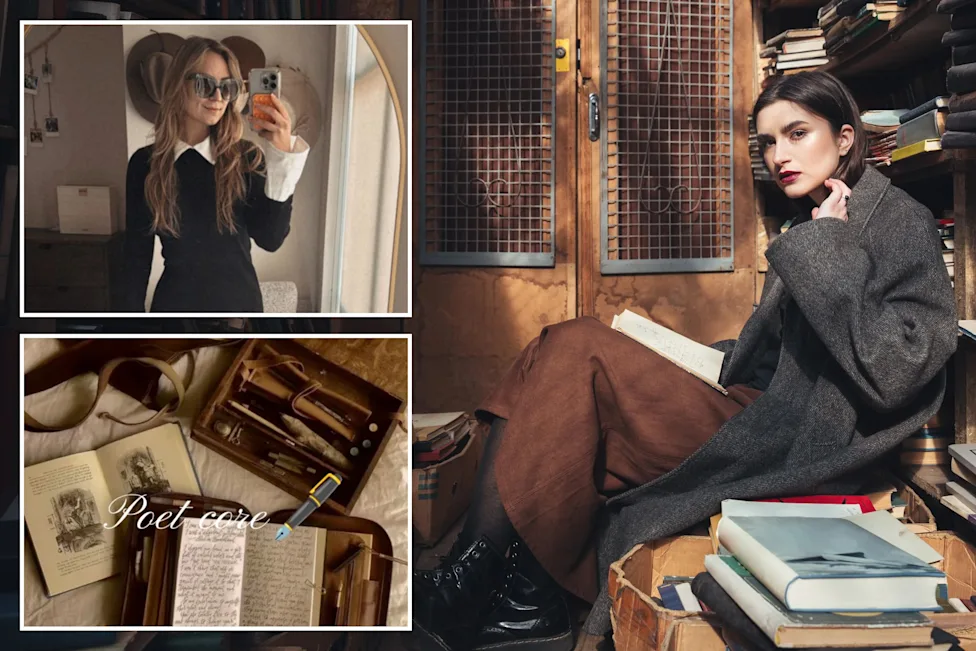
Poet-core did not begin on a runway. Nor was it born inside a luxury fashion house. It began with a change in human behavior. A remarkable rise in searches for terms such as Poet Aesthetic, Vintage Writer, Old Library, and Reading Outfit on platforms like Pinterest revealed something much deeper than a passing style trend. Generation Z was no longer searching for louder fashion; they were searching for a more personal and meaningful identity. After years of endless scrolling, short-lived trends, and the constant pressure to consume content faster than ever before, people began longing for something slower. Books. Handwritten letters. Quiet cafés. Museums. Leather journals. Clothing that feels as though it belongs to someone who spends more time in libraries than in front of a screen. Poet-core is fashion’s answer to digital exhaustion.
A Style That Builds Character, Not Just Appearance
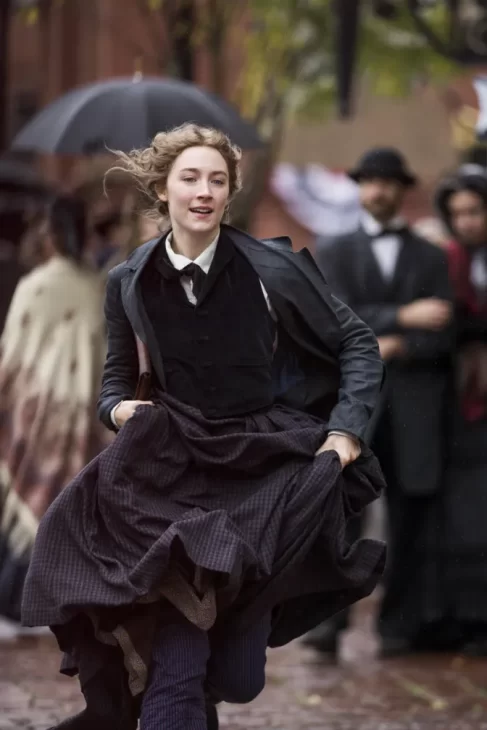
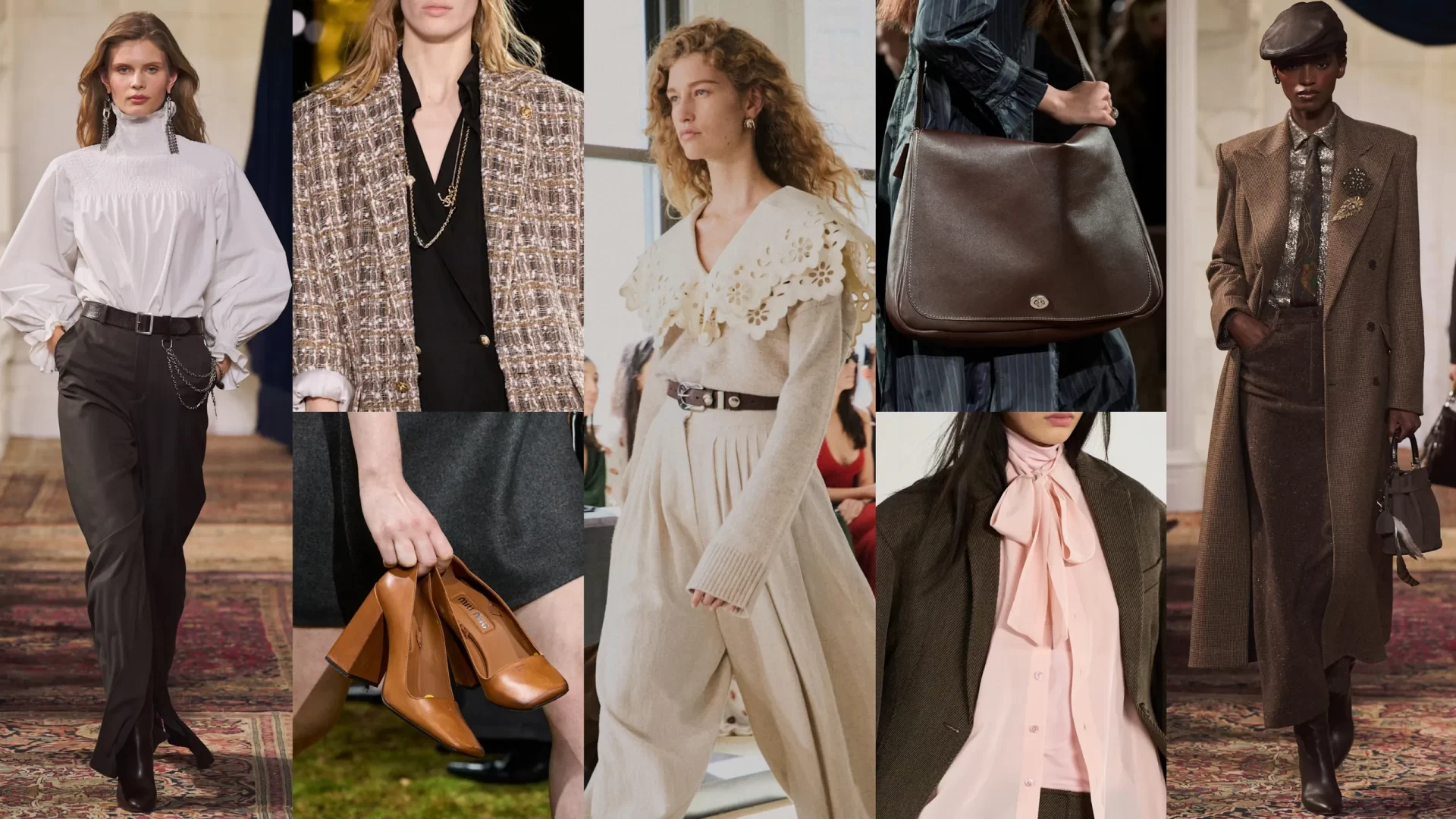
In Poet-core, clothing is no longer designed simply to attract attention. It becomes a language of identity. A crisp ruffled blouse, a vintage tweed jacket, tailored trousers, a leather satchel, and a pair of loafers tell a story before a single word is spoken. The story of someone who reads. Who writes. Who observes before speaking. Who values thought over spectacle. Within Poet-core, style is no longer born inside the wardrobe. It begins within the individual. Perhaps that is why this aesthetic feels closer to literature, cinema, art, and philosophy than to fashion itself.
The Visual Language of Poet-core
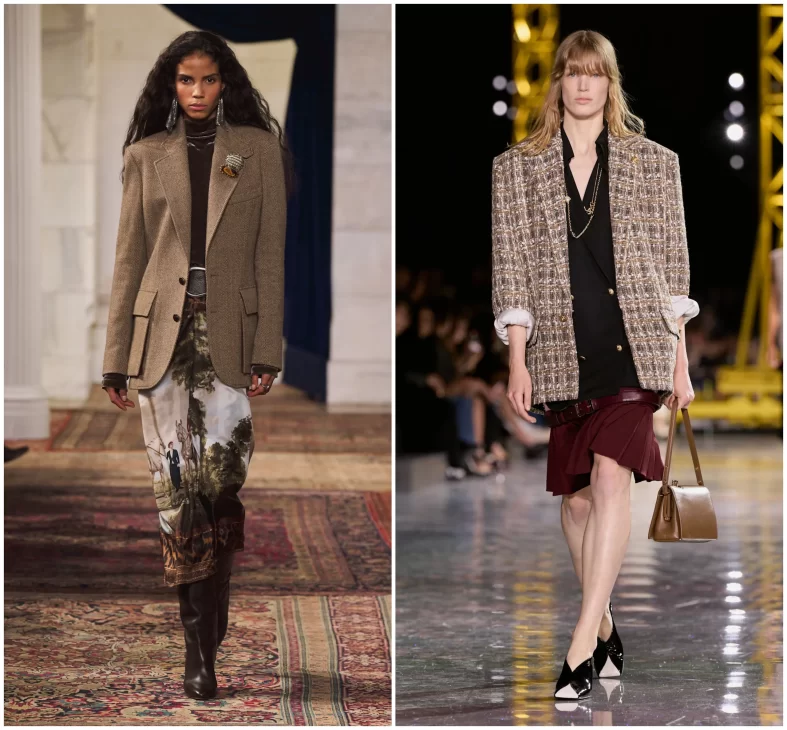
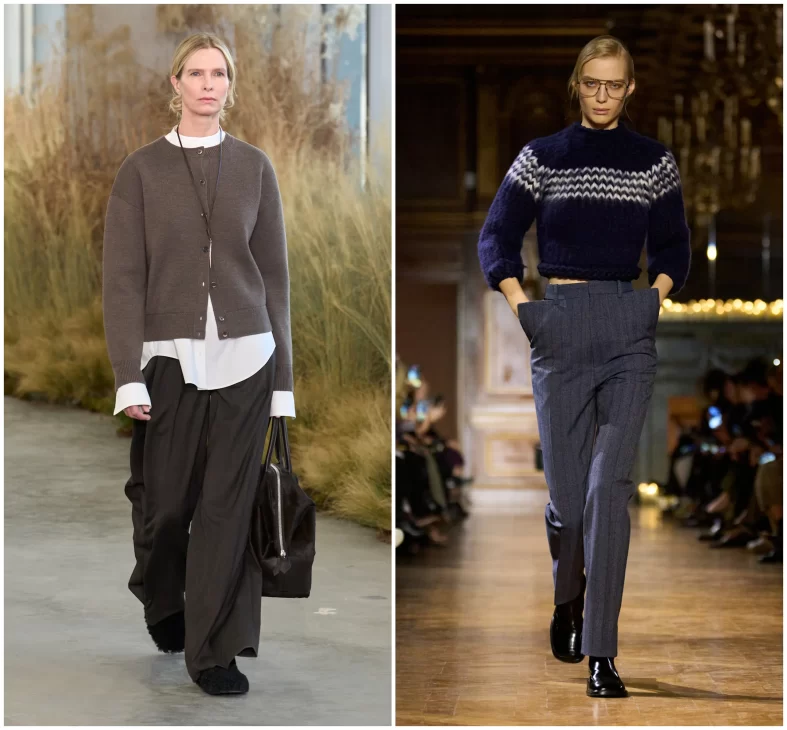
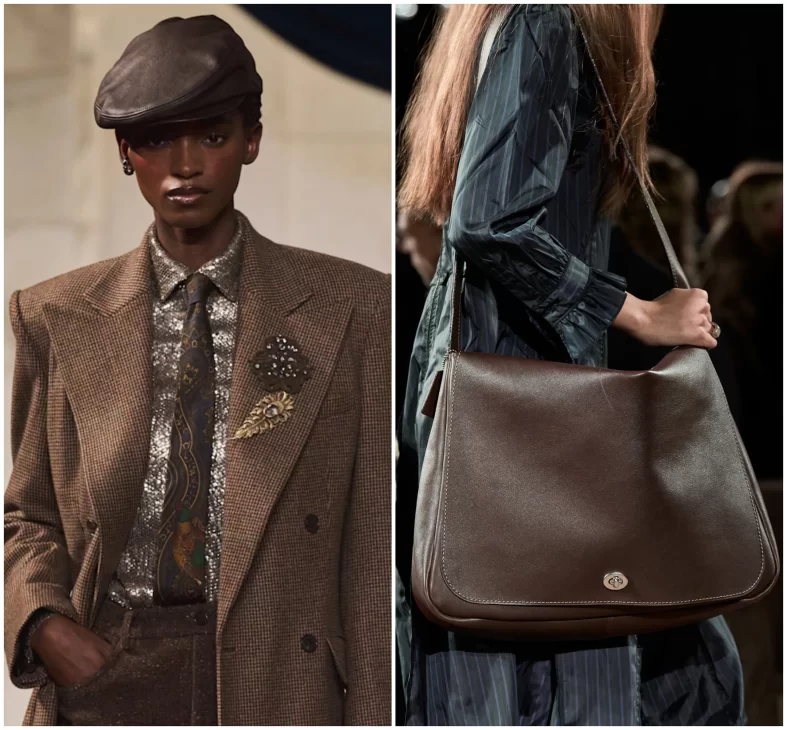
The visual identity of Poet-core is built around three ideas: Calm. Craftsmanship. Permanence. Natural fabrics replace synthetic shine. Linen. Cotton. Tweed. Wool. Lace. Soft embroidery. Its color palette draws inspiration from nature rather than digital screens. Ivory. Cream. Chocolate brown. Olive. Moss green. Burgundy. Navy. Matte black. Every element contributes to a wardrobe designed to age beautifully instead of chasing the next viral moment. The essential Poet-core wardrobe includes:
- Ruffled blouses
- Vintage tailoring
- Tweed jackets
- Relaxed tailored trousers
- Pleated skirts
- Knit cardigans
- Classic trench coats
- Leather satchel bags
- Loafers
- Mary Jane shoes
- Delicate brooches
- Silk ribbons
- Reading glasses
- Leather notebooks
Nothing exists by accident. Every fabric. Every stitch. Every accessory. Each one becomes another chapter in the story of its wearer.
Why Luxury Fashion Fell in Love with Poet-core
Luxury brands quickly realized that today’s generation is no longer buying products. They are buying narratives. That is precisely why fashion houses including Miu Miu, Prada, Altuzarra, Ralph Lauren, Coach, and Bottega Veneta have each embraced elements of Poet-core in their recent collections. Miu Miu explored the dignity of women’s work through garments inspired by everyday uniforms. Prada reimagined traditional tailoring through a contemporary intellectual lens. balanced romantic softness with refined craftsmanship. None of them explicitly called it Poet-core. Yet together they built the same visual language: A return to emotion. A return to literature. A return to personality.
Redefining Luxury
Perhaps Poet-core’s greatest contribution is the way it redefines luxury itself. Luxury is no longer measured by the loudest logo or the most expensive handbag. Luxury is having time to read. Luxury is a fabric that becomes more beautiful with age. Luxury is owning a coat that still matters ten years from now. Luxury is quality that never needs to raise its voice. Poet-core reminds us that longevity will always outlive instant attention.
More Than Fashion — A Way of Living
Poet-core extends far beyond clothing. Its rise has paralleled the renewed popularity of independent bookstores, reading clubs, museums, analog photography, handwritten journals, artisan craftsmanship, and slow cafés. It reflects a broader cultural movement that encourages people to replace constant consumption with deeper experiences. Perhaps that is why Poet-core imagery is rarely photographed against flashy backdrops. Instead, it lives inside libraries. Historic cafés. Art galleries. Stone streets. Old bookstores. Places where silence becomes part of the aesthetic.
The Future of Poet-core
Fashion history tells us that trends rarely last. But Poet-core feels less like a trend and more like a shift in perspective. Its name may eventually change. Its silhouettes may evolve. Yet the values behind it quality, authenticity, culture, craftsmanship, curiosity, and individuality are unlikely to disappear anytime soon. Poet-core reminds us that the most influential people are rarely the loudest. They are often the ones who have spent more time thinking than performing. And perhaps that is why Poet-core is ultimately not about getting dressed. It is about building an identity. In an age where everyone is trying to become more visible, Poet-core invites us to become more meaningful. Perhaps no sentence captures its essence better than this: Sometimes, a white linen shirt, a worn-out novel, and a mind full of imagination become the most luxurious outfit in the world.