Turkey’s Fashion Industry in 2026

A Manufacturing Powerhouse Redefining Its Future

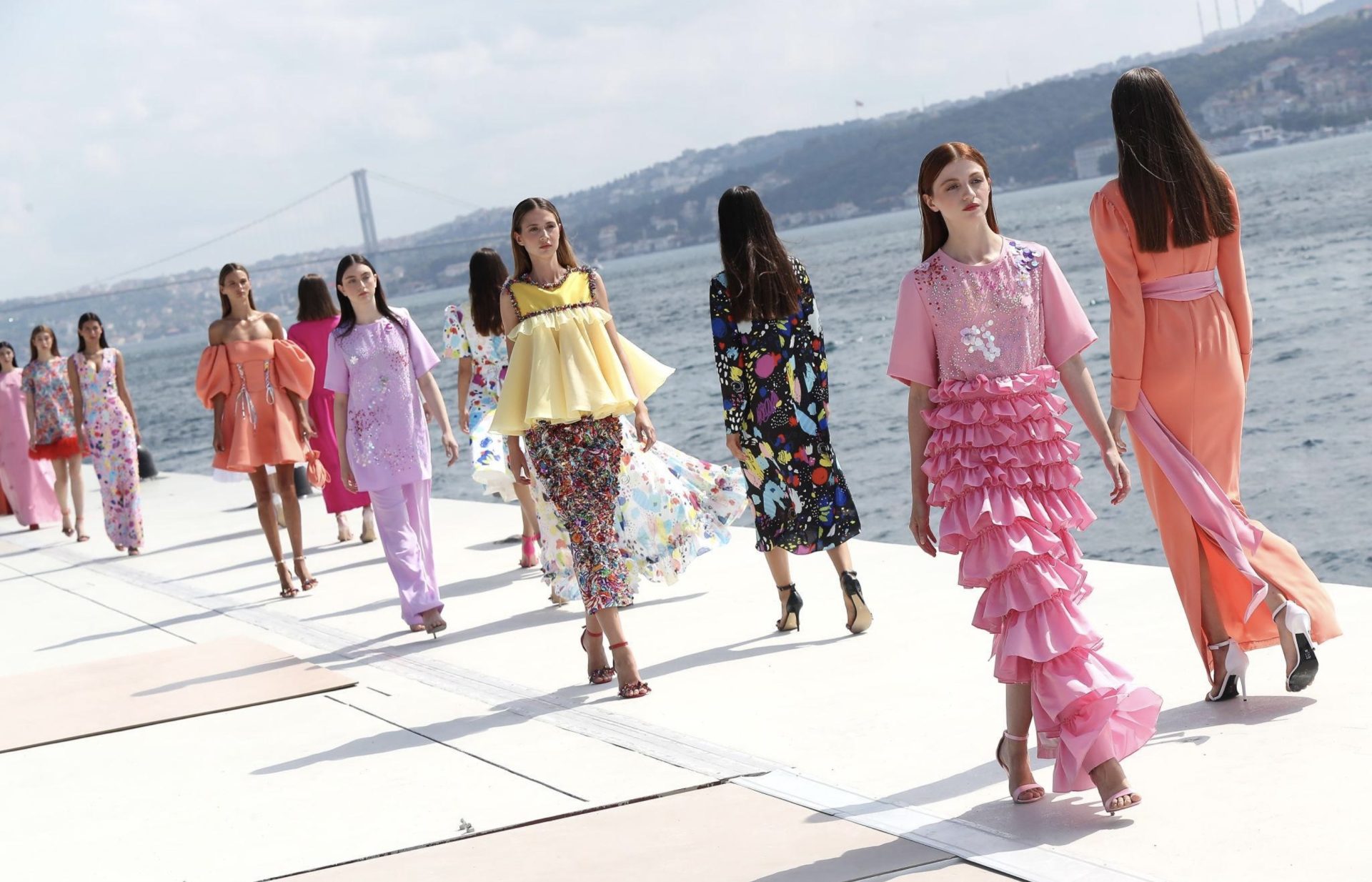
For decades, Turkey has been recognized as one of the world’s most strategic apparel manufacturing hubs. Its proximity to Europe, vertically integrated textile ecosystem, skilled workforce, flexible production capabilities, and ability to respond quickly to market demand positioned the country as a preferred sourcing destination for many of the world’s leading fashion brands. Yet, in 2026, Turkey’s fashion industry is no longer facing a temporary slowdown it is undergoing a structural transformation. The manufacturing model that fueled the country’s rise over the past three decades is being fundamentally challenged. Rising labor and energy costs, high interest rates, limited access to financing, slowing European demand, intensifying competition from lower-cost manufacturing countries, and rapid technological disruption are reshaping the industry’s competitive landscape. At the same time, the global fashion business itself is entering a new era. According to The State of Fashion 2026, the industry is navigating slower market growth, increasingly cautious consumers, persistent pressure on profitability, and a growing need for more agile supply chains. In today’s market, competitive advantage is no longer defined solely by lower production costs or larger manufacturing capacity. Instead, brands are prioritizing speed, flexibility, innovation, transparency, and resilience. Against this backdrop, Turkey finds itself at a pivotal crossroads one where its future will depend not on competing as the lowest-cost manufacturer, but on redefining the value it delivers to global fashion.

A Competitive Advantage That Still Matters

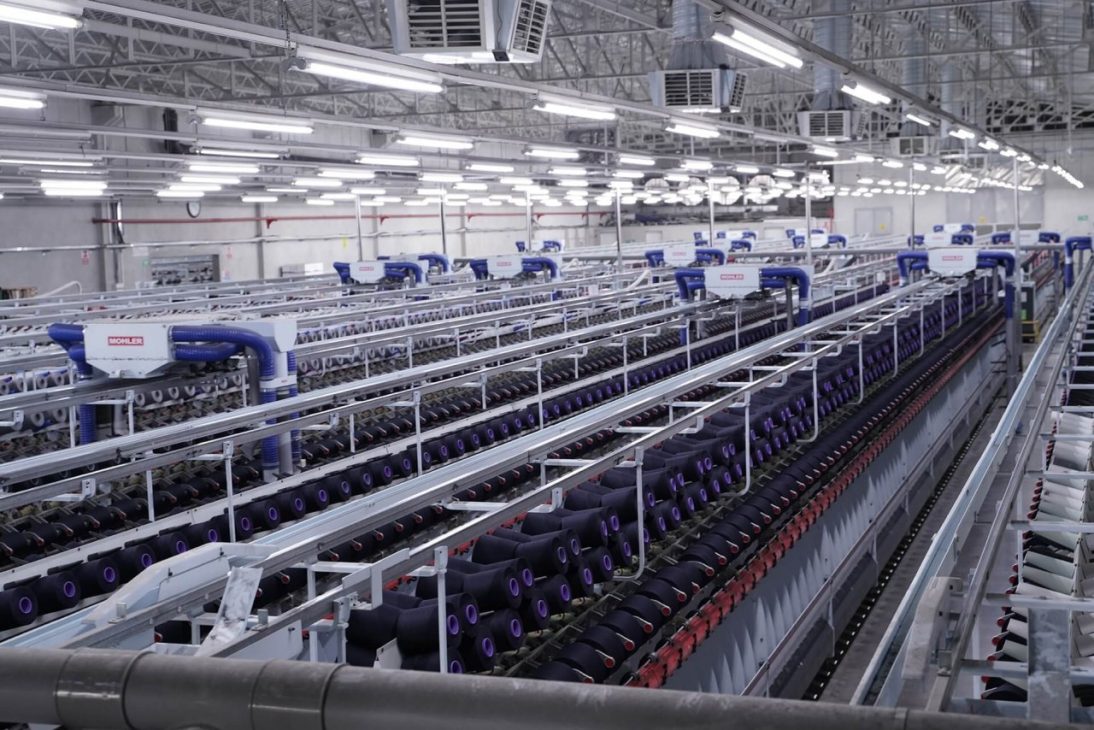
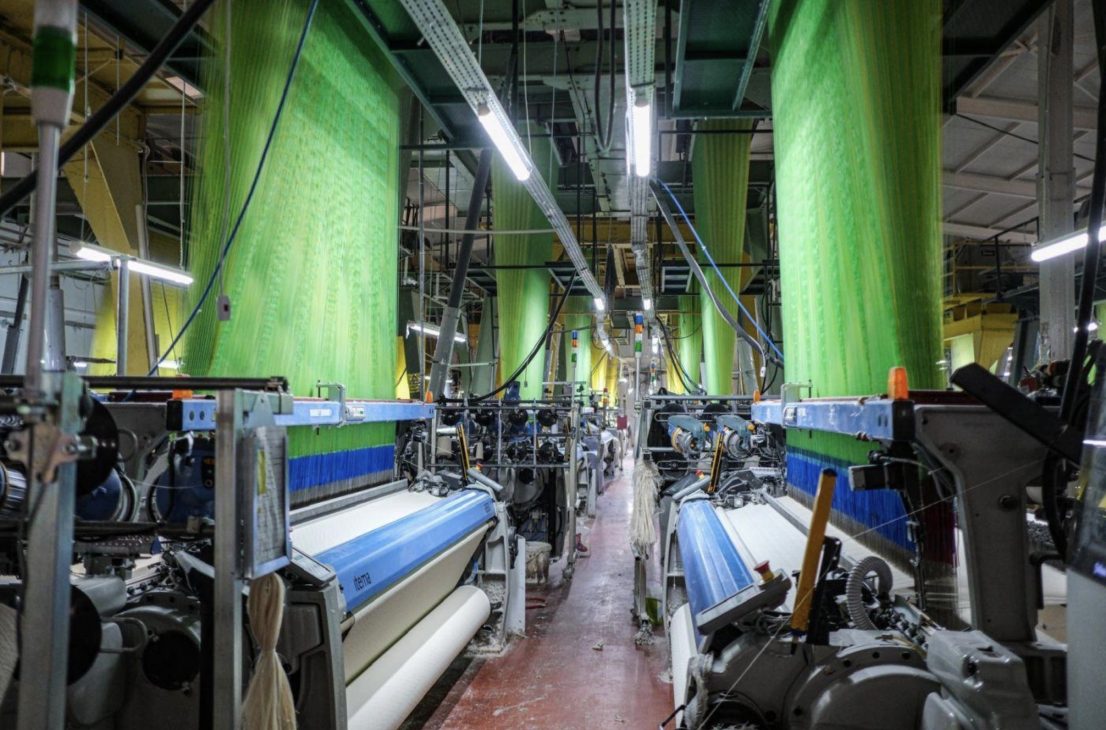
Despite current challenges, Turkey continues to possess one of the most comprehensive textile and apparel ecosystems in the world. Few countries can offer a fully integrated supply chain encompassing fiber production, spinning, weaving, knitting, dyeing, finishing, garment manufacturing, packaging, and logistics within a single national ecosystem. This vertical integration became especially valuable during the COVID-19 pandemic, when supply chain disruptions across Asia pushed many European brands toward nearshoring strategies. Turkey’s geographic proximity, shorter lead times, production flexibility, and reliable infrastructure enabled manufacturers to respond quickly while minimizing logistical risks. These strengths remain highly relevant today. However, what once represented a decisive competitive advantage is no longer sufficient on its own. The global sourcing landscape has evolved, and brands are evaluating manufacturing partners through a far broader strategic lens.

The Challenge Is Not Production Capacity It’s Competitiveness

Contrary to common perception, Turkey’s primary challenge is not a lack of manufacturing capability. Factories remain operational. Technical expertise remains strong. Industrial infrastructure continues to be among the most advanced in the region. The real issue lies in the economics of production. Over the past several years, labor expenses, energy prices, raw material costs, transportation, financing, and operational overhead have risen significantly. While the depreciation of the Turkish lira initially improved export competitiveness, inflation has simultaneously pushed dollar-based production costs higher, reducing much of that advantage. As a result, Turkey has gradually lost part of its price competitiveness in high-volume, cost-driven manufacturing against countries such as Bangladesh, Vietnam, India, Pakistan, and Egypt. The global competition is no longer about becoming the cheapest manufacturer. It is increasingly about becoming the smartest manufacturing partner.

Europe: Turkey’s Largest Opportunity and Its Greatest Dependency

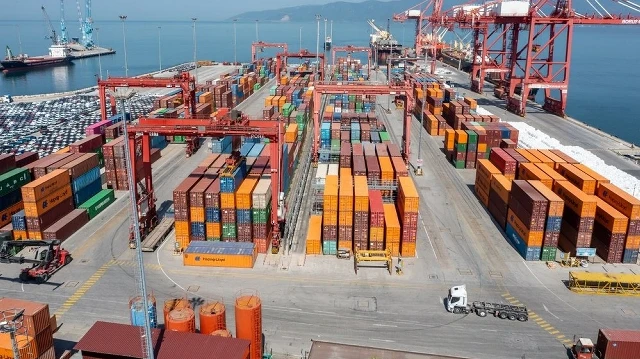
The European Union remains by far Turkey’s largest export destination for apparel and textiles. This long-standing relationship has been one of the industry’s greatest strengths. Yet it has also become one of its most significant vulnerabilities. Weak consumer spending across Europe, cautious inventory management, smaller purchasing volumes, and continued sourcing diversification have directly affected order volumes for Turkish manufacturers. The lesson has become increasingly clear: No industry can sustainably rely on a single export market even one as significant as Europe. Consequently, Turkish exporters are placing greater emphasis on expanding into new regions, including the Middle East, North America, Central Asia, and emerging African markets, with the objective of building a more diversified export portfolio.

Low-Cost Manufacturing Is No Longer Turkey’s Future

Perhaps the most profound shift taking place within Turkey’s apparel industry is a change in how competitiveness itself is defined. For years, competitive pricing served as the industry’s primary selling point. Today, international fashion brands are increasingly willing to pay higher manufacturing costs for suppliers capable of delivering shorter lead times, flexible production quantities, reliable quality control, rapid product development, and efficient inventory management. Success is no longer measured solely by cost efficiency. It is measured by responsiveness. Rather than competing directly with Asia’s lowest-cost manufacturers, Turkey’s greatest opportunity lies in becoming the fastest, most adaptable, and most strategically valuable production partner for premium global fashion brands.

The Factory of the Future

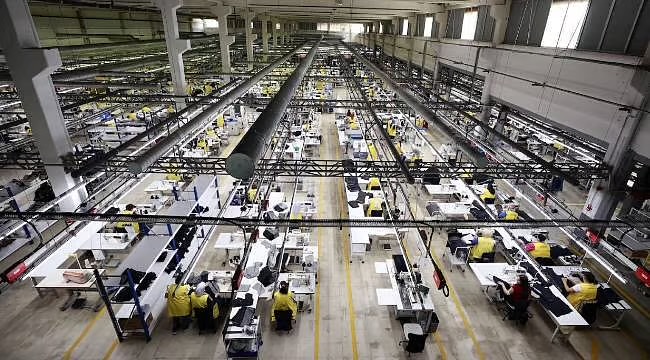
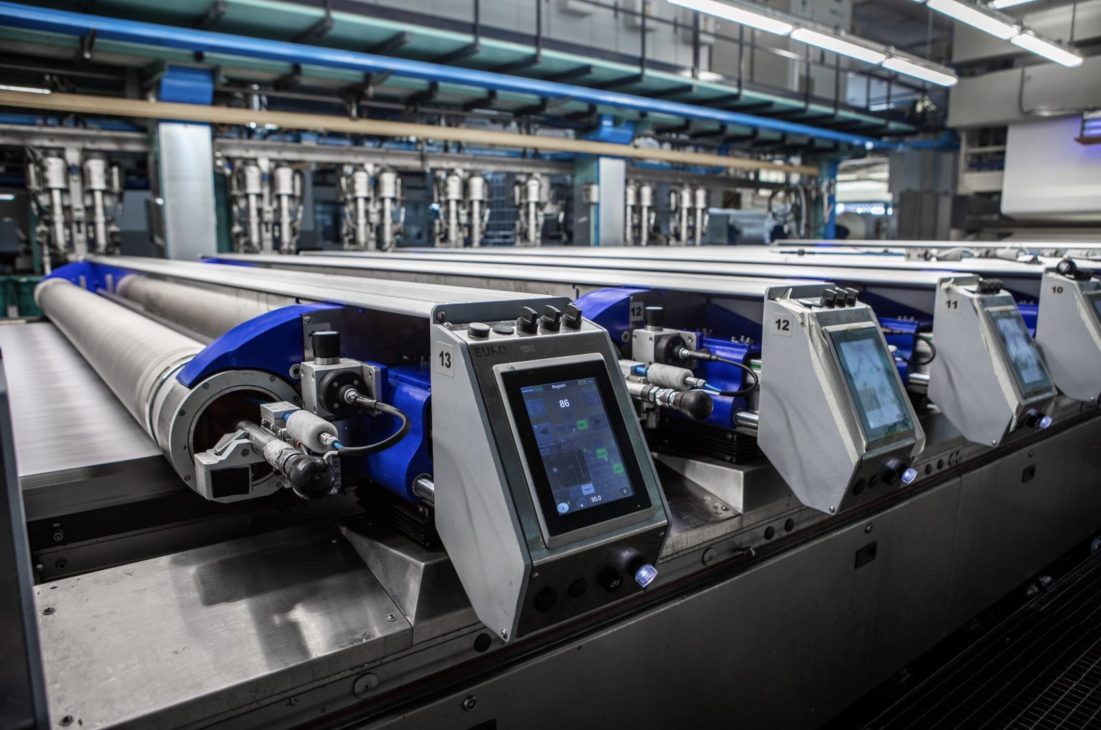
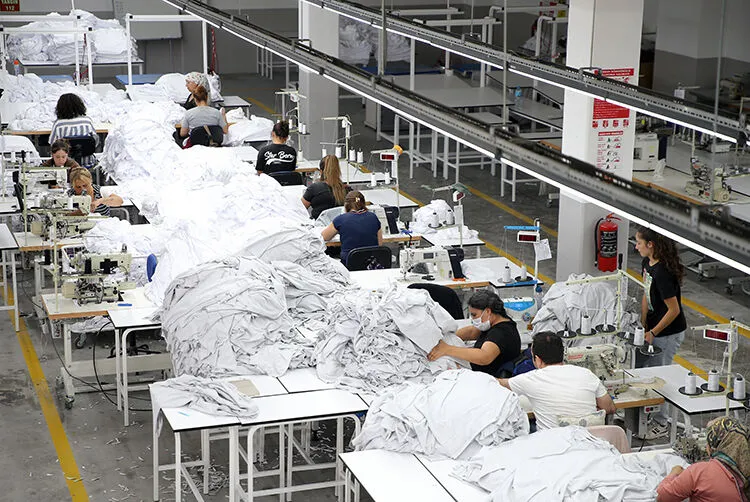
The role of the modern apparel factory is rapidly evolving. Manufacturing facilities are no longer expected to simply assemble garments. Tomorrow’s successful factories will become integrated product development partners collaborating throughout the entire creative and commercial process. Design development, fabric sourcing, sample creation, technical engineering, quality assurance, digital production planning, sustainability compliance, and logistics will increasingly operate as interconnected functions rather than isolated departments. In this model, value is no longer created solely through production volume. It is created through expertise. This transition from contract manufacturing toward strategic product development partnerships may represent the most important transformation facing Turkey’s apparel sector over the coming decade.

Artificial Intelligence and Digital Transformation

Digital transformation has moved beyond being a competitive advantage. It has become a fundamental business requirement. Artificial intelligence is already reshaping nearly every stage of the fashion value chain from demand forecasting and inventory optimization to design visualization, marketing content generation, customer behavior analysis, and production planning. However, AI’s greatest value does not lie in generating more attractive images or automating creative tasks. Its real impact lies in enabling companies to make better decisions. Manufacturers capable of forecasting demand more accurately, minimizing waste, improving production planning, optimizing inventory, and responding faster to market changes will ultimately outperform competitors operating under traditional production models. Technology is becoming less about automation and more about strategic intelligence.

Sustainability Has Become a Commercial Requirement

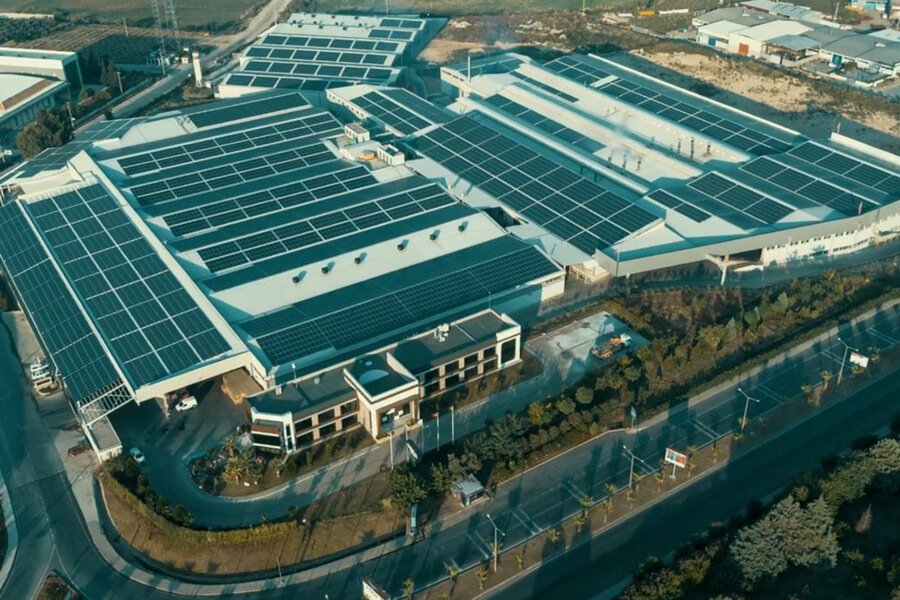
Sustainability is no longer simply a branding initiative. It is rapidly becoming a commercial prerequisite. European regulations and evolving consumer expectations increasingly require transparency across the entire supply chain, including traceability of raw materials, environmental reporting, responsible sourcing, energy efficiency, waste reduction, and measurable sustainability performance. For Turkish manufacturers, this shift should not be viewed solely as a regulatory burden. It also represents a strategic opportunity. Turkey’s geographic proximity to Europe naturally supports shorter transportation routes, faster replenishment cycles, lower inventory risks, and more flexible production all priorities that align closely with the future sourcing strategies of international fashion brands.

From Manufacturing Hub to Strategic Partner

Perhaps the most important transformation Turkey must embrace is not technological but conceptual. For decades, the industry’s success rested on four fundamental pillars: competitive labor costs, currency advantage, large-scale manufacturing, and contract production. The future, however, will be built upon an entirely different foundation.

Speed. Expertise. Technology. Value creation.

Factories that compete solely on sewing capacity will inevitably become interchangeable. Factories capable of contributing to product development, innovation, sustainability, data-driven decision-making, and supply chain resilience will become indispensable strategic partners. This distinction will define the next generation of global manufacturing.

The Next Chapter of Turkish Fashion Manufacturing

Turkey remains one of the world’s most sophisticated apparel manufacturing ecosystems.

Its industrial capabilities, technical knowledge, geographic position, and manufacturing heritage continue to provide significant advantages.

Yet these strengths alone will not determine the industry’s future.

Global fashion no longer rewards manufacturers simply for producing garments at the lowest possible cost.

Instead, it increasingly rewards those capable of delivering intelligence alongside production, agility alongside scale, transparency alongside efficiency, and innovation alongside craftsmanship.

In many ways, the defining transformation of Turkey’s fashion industry in 2026 is not taking place on factory floors.

It is taking place in the industry’s understanding of value itself.

Success will no longer be measured by the number of garments produced.

It will be measured by the strategic value each product, each partnership, and each decision contributes to the global fashion ecosystem. For Turkey, the future is no longer about manufacturing more. خIt is about manufacturing smarter.
By mehrazin

What do you think?

Your email address will not be published. Required fields are marked *

No Comments Yet.