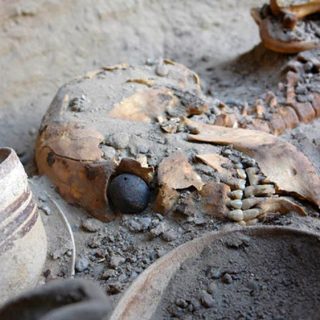
Kohan Diyar is the story of iranian identity.Let us travel through history together for a few moments.
Two million years ago there were no cities, no borders, no land called Iran. Only a vast earth: mountains newly risen, plains covered in grass, and humans just beginning to learn how to survive upon this land. As upright man migrated eastward from Africa, he passed through Iran. And here, the story of our plateau our Iran begins. A land between mountain and plain, between the Caspian Sea and the eternal Persian Gulf. Not merely a route for human passage, but a place to remain, to live, to build.
With deliberate strikes, early humans shaped stone into tools.
And that is where the story of technology begins.
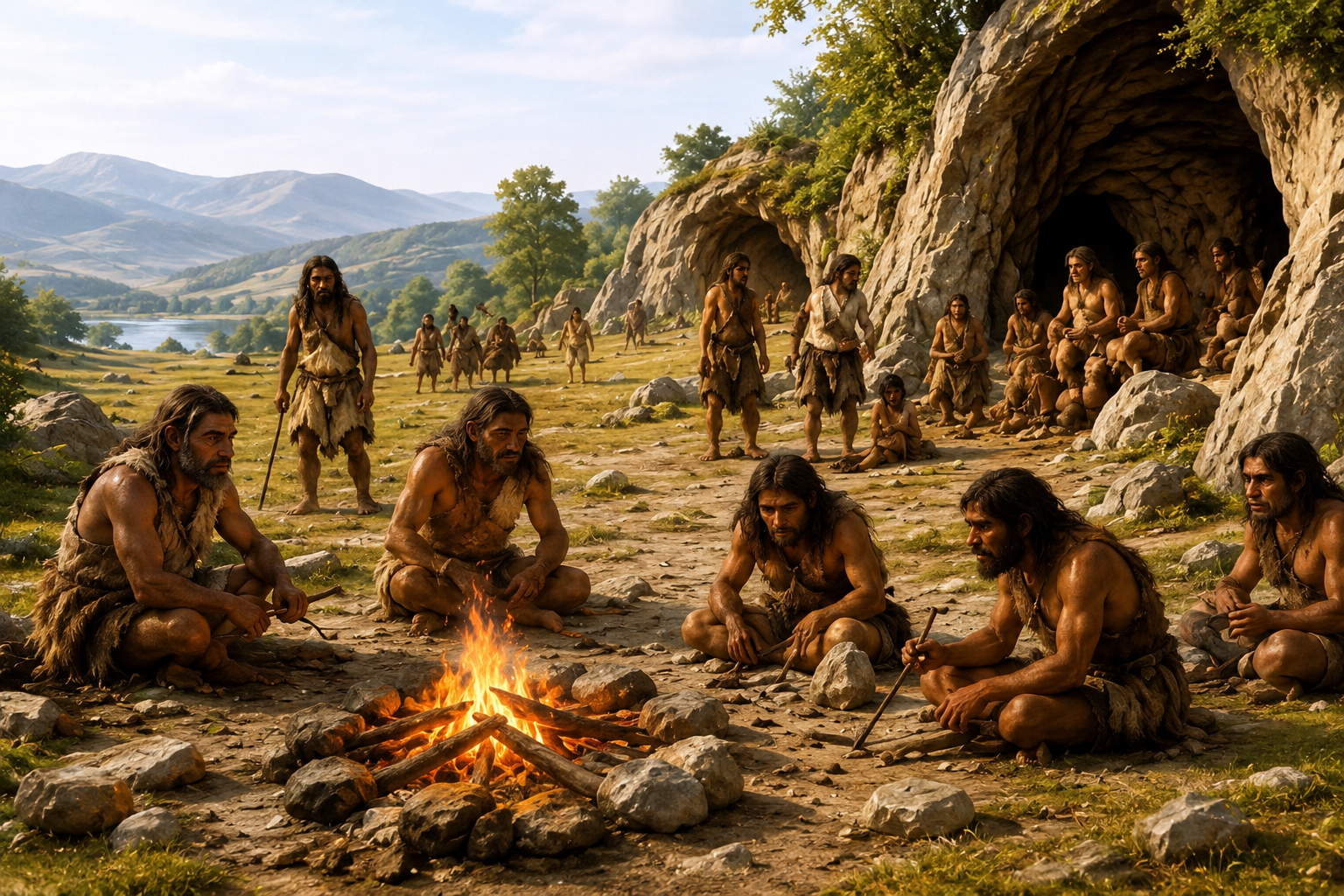
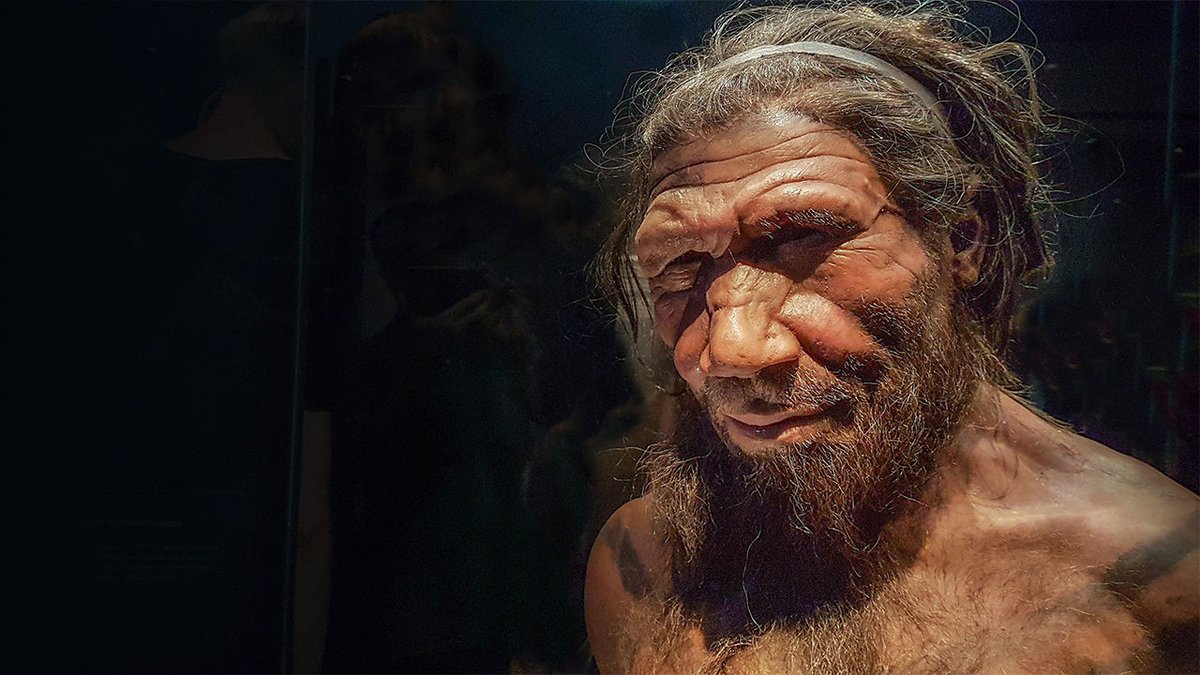
Every flake, every sharpened edge, tells the story of a need: to cut, to skin, to hunt, and to survive. The plains of Kashafrud in northeastern Iran, along with regions in northern and northwestern Iran, have preserved these remnants for us tools dating back nearly 700,000 years. These are not lifeless objects; they are traces of human thought. Yet from two million years ago until nearly one hundred thousand years ago, very little developmental progress can be seen. When compared to the last three to five thousand years of civilization, or even the last two to five hundred years of modernity, it is an unimaginably vast stretch of time. Around 200,000 years ago, upright man gave way to a species we know as Neanderthals. In western Iran, the oldest known cave site in the country Qaleh Kurd Cave in Qazvin dates to nearly 250,000 years ago and once served as a Neanderthal dwelling. Stone tools and hunting remains have been discovered there, including wild horse, woolly rhinoceros, and cave bear species now extinct. Most notably, the 175,000-year-old tooth of a child was found there, the oldest surviving bodily remain of this human type ever discovered in Iran.
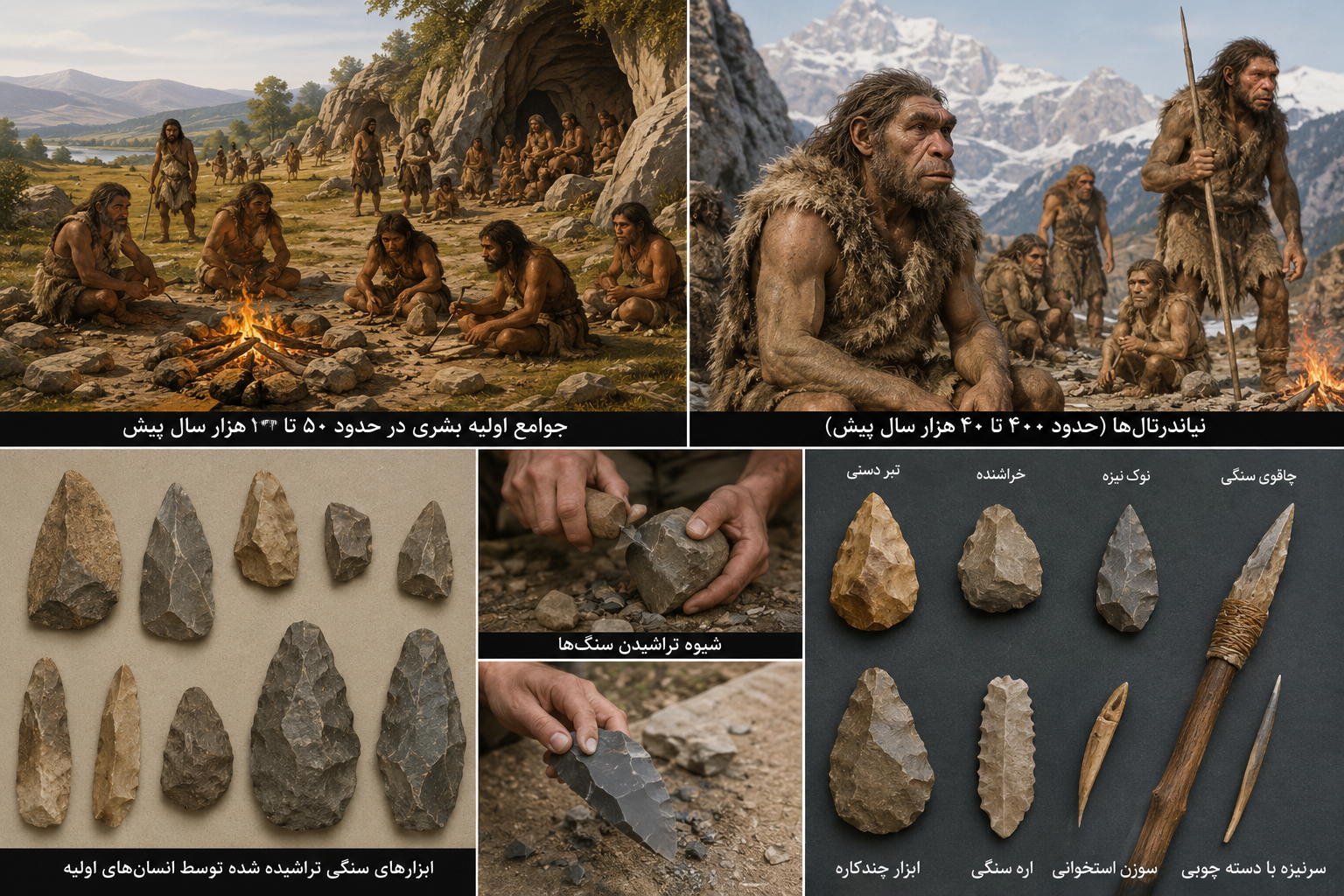
These humans possessed large skulls, strong bodies, and powerful muscles. They were skilled hunters. They understood fire, they cared for their dead, and perhaps even practiced ritual. Contrary to the image long created of them, they were not savage creatures. They understood, they planned, and they adapted to their environment. But around 40,000 years ago, this lineage gradually faded, making way for Homo sapiens modern humans. Though interbreeding between the two species did occur, it was modern humans beings capable of abstract thought and cognitive revolution who gradually became dominant over the Neanderthals. And so we enter an age when cave paintings begin to appear, primitive jewelry is created, and needles and thread made from bone emerge evidence of sewn clothing, symbolic thought, and the awakening of the abstract human mind. Kohan Diyar is the story of our identity a story that must never be forgotten.