Between 550 and 330 BCE, one of the most significant chapters in the history of Iran and the ancient world unfolded
A period in which, for the first time, an Iranian state governed vast territories and diverse nations under a single unified system. This era began with the rise of Cyrus the Great. The alliance of the Persians and Medes formed the foundation of this empire, and with the conquest of Lydia in Asia Minor and Babylon, a vast imperial realm emerged.
What made the Achaemenid conquests remarkable was that they were carried out with respect for local beliefs and without widespread destruction A principle recorded in the Cyrus Cylinder, one of the most important political documents of the ancient world. Under the reign of Darius I, the Achaemenid Empire reached the height of its organization and structure. He divided the empire into administrative provinces known as satrapies, and established a regular taxation system. The Royal Road was built from Sardis to Susa. A rapid postal and communication network was created. The gold coin known as the Daric was minted as the empire’s official currency. And vast construction projects began Creating one of history’s most extraordinary examples of managing a multi-ethnic empire.
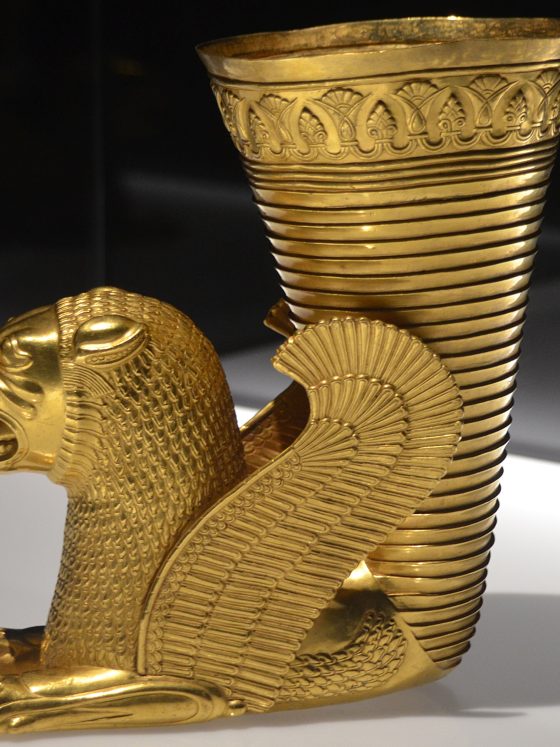
The Achaemenids combined Iranian, Mesopotamian, Egyptian, and Asia Minor traditions to create a new artistic and architectural style. One of the defining characteristics of this era’s art was its portrayal of harmony among different peoples Clearly seen in the reliefs of Persepolis, where representatives of many nations appear wearing their native dress and bringing tribute to the king. After Darius, during the reign of Xerxes, the wars between Persia and Greece took place.
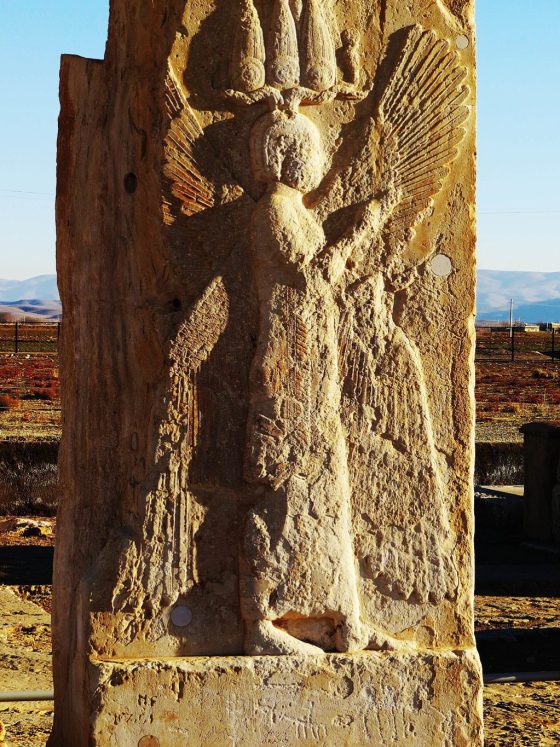
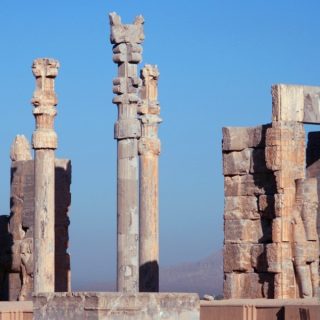
But over the following century, weakening central authority and internal rebellions gradually prepared the empire for decline. Then, in 330 BCE, the invasion of Alexander of Macedon led to the defeat of Darius III, bringing the Achaemenid Empire to an end. Yet the administrative and cultural systems of this empire endured Influencing later kingdoms, the Hellenistic world, and eventually even Rome. Among the most important surviving legacies of the Achaemenids are: Persepolis (Parsa), the ceremonial center and symbol of Achaemenid architectural grandeur. Pasargadae and the Tomb of Cyrus the Great. The Behistun Inscription of Darius, one of the most important historical records in the world. The Cyrus Cylinder, regarded as a symbol of justice and human rights in its time. The palaces of Susa and the royal necropolis of Naqsh-e Rostam. As well as the empire’s road network, its satrapal administrative system, and the tradition of coin minting.
Kohan Diyar is the story of our identity a story we must preserve within our hearts.