When the Devil Returns, From Runway to the Reality of Power
The Making of a Modern Fashion Myth
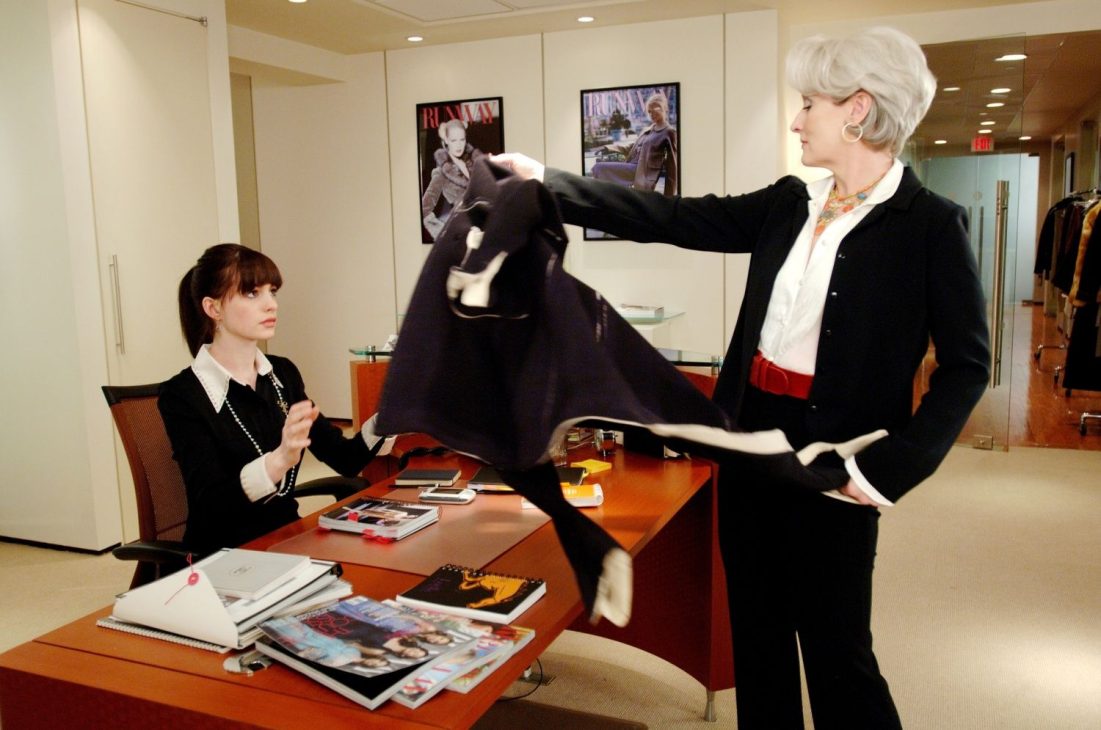
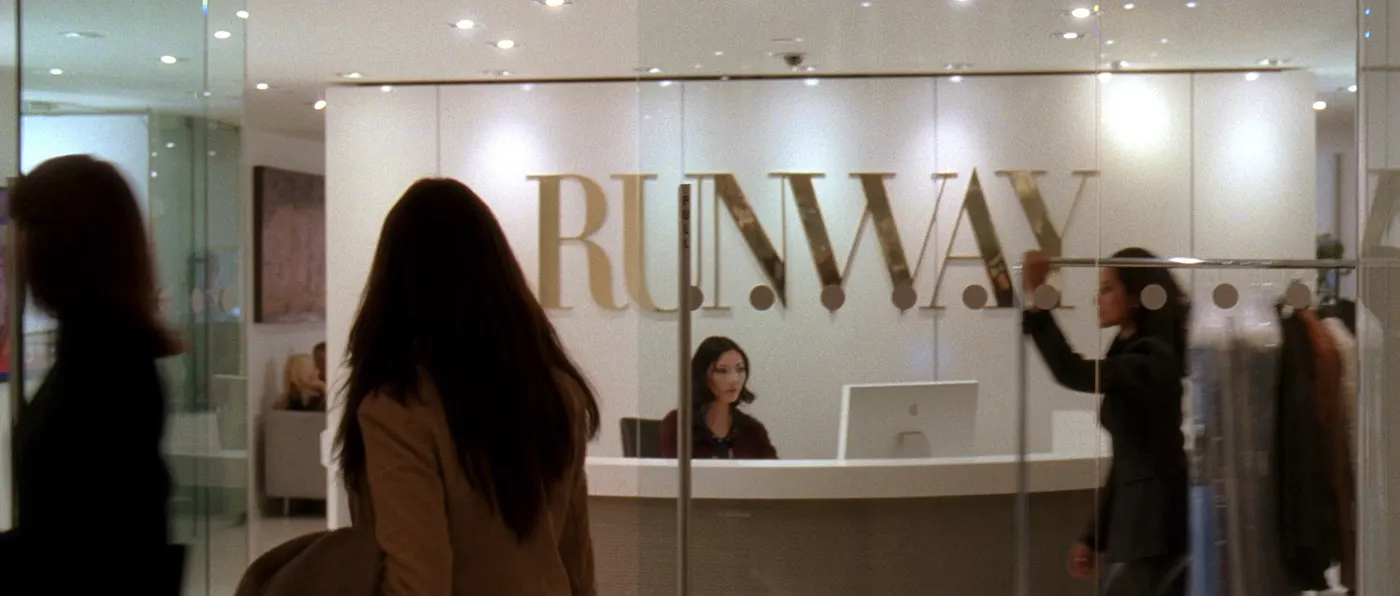
In 2006, The Devil Wears Prada was never merely entertainment. It marked a defining cultural moment introducing a global audience to the invisible architecture of power within fashion.At the center of the narrative stood Runway, a fictional magazine that, to those familiar with the industry, read less like fiction and more like coded reality. A reflection of Vogue.And at its helm, Miranda Priestly a character widely understood to be inspired by Anna Wintour.Runway was not simply a publication.It functioned as a command center a place where taste was not discovered, but dictated. The now-iconic “cerulean” monologue distilled this truth with surgical precision:fashion is never just personal choice. It is the outcome of layered decisions, hierarchies, and influence.
When Fashion Turned Cinematic: Prada and the Villain Archetype
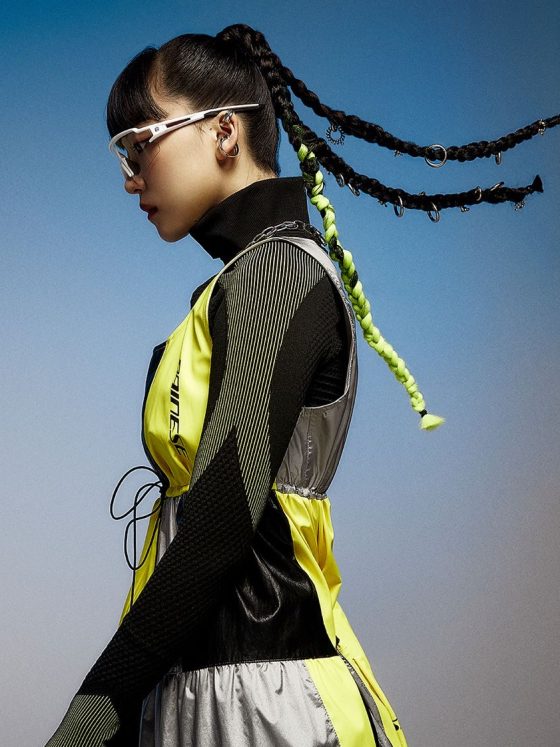
In the years that followed, the conversation between fashion and cinema deepened. A pivotal moment came with Prada’s Fall/Winter 2012–2013 menswear show under Miuccia Pradaa collection that subtly echoed the visual language of cinematic “villains.” The runway was populated with sharply constructed silhouettes, heightened gestures, and an almost theatrical severity.These were not merely clothes; they were characters.Figures that evoked authority, distance, and psychological presence the same qualities embodied by Miranda Priestly.Placed within the broader timeline, this moment sits between fiction and its evolution into visual culture:after The Devil Wears Prada revealed power, Prada’s runway began to embody it. Fashion, here, was no longer styling individuals it was scripting personas.
A Return to a Transformed Industry
The Authority That Shapes the System
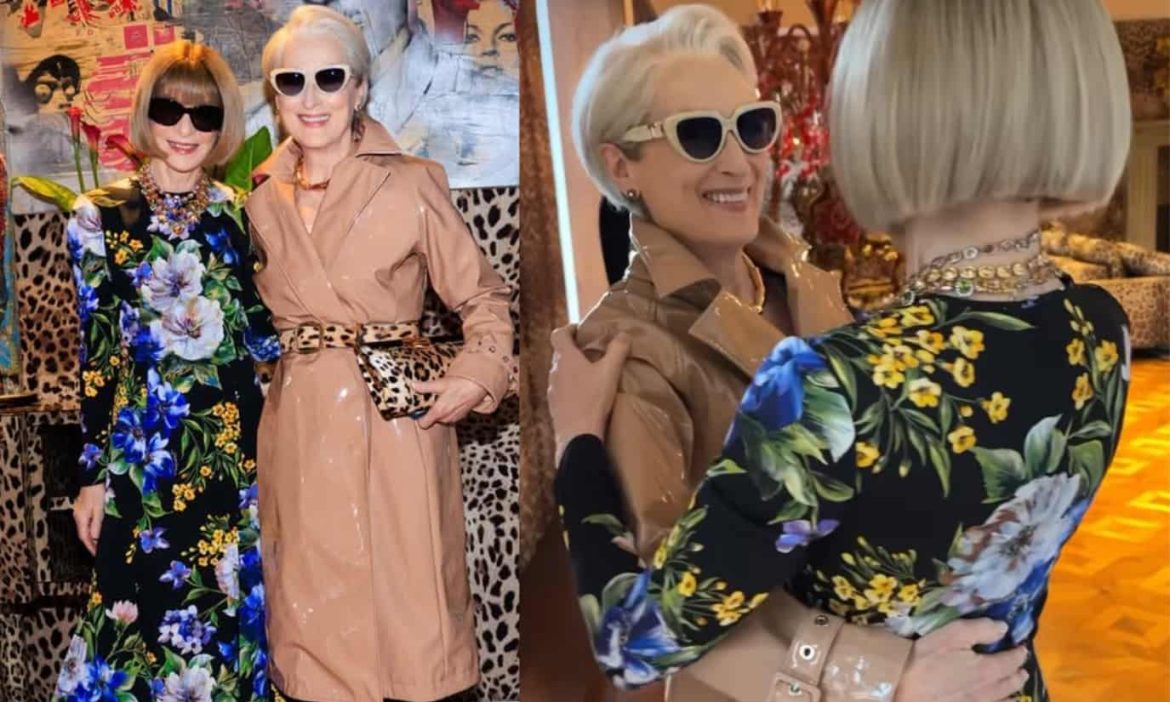
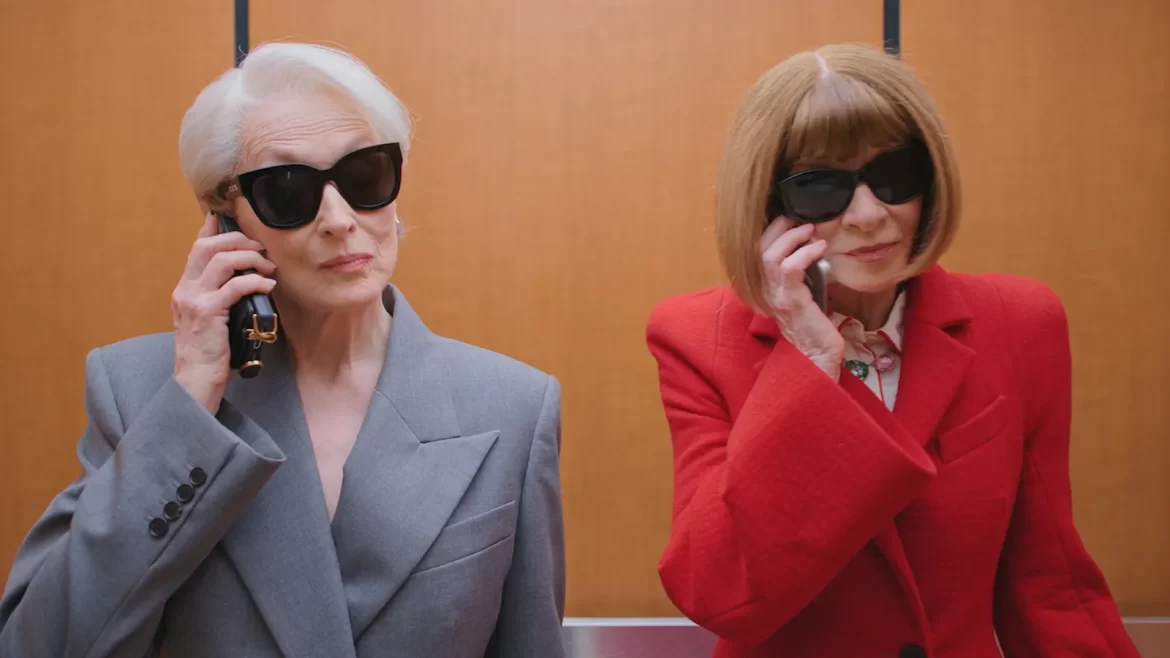
Anna Wintour is not merely an editor.She is one of the few figures capable of redirecting the trajectory of global fashion. Attention, in her world, is currency. When she endorses a designer, visibility follows. When she signals a silhouette, it proliferates. What the 2006 film articulated metaphorically, the industry has long enacted in reality.
Beyond the Interview: A Mirror Moment
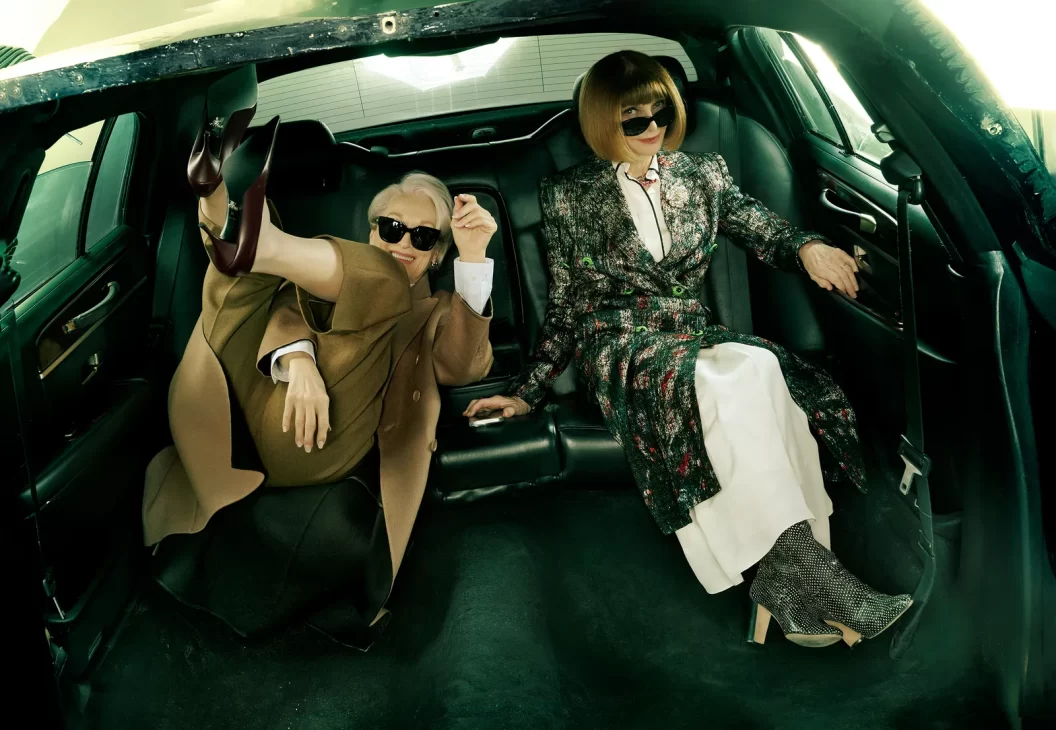
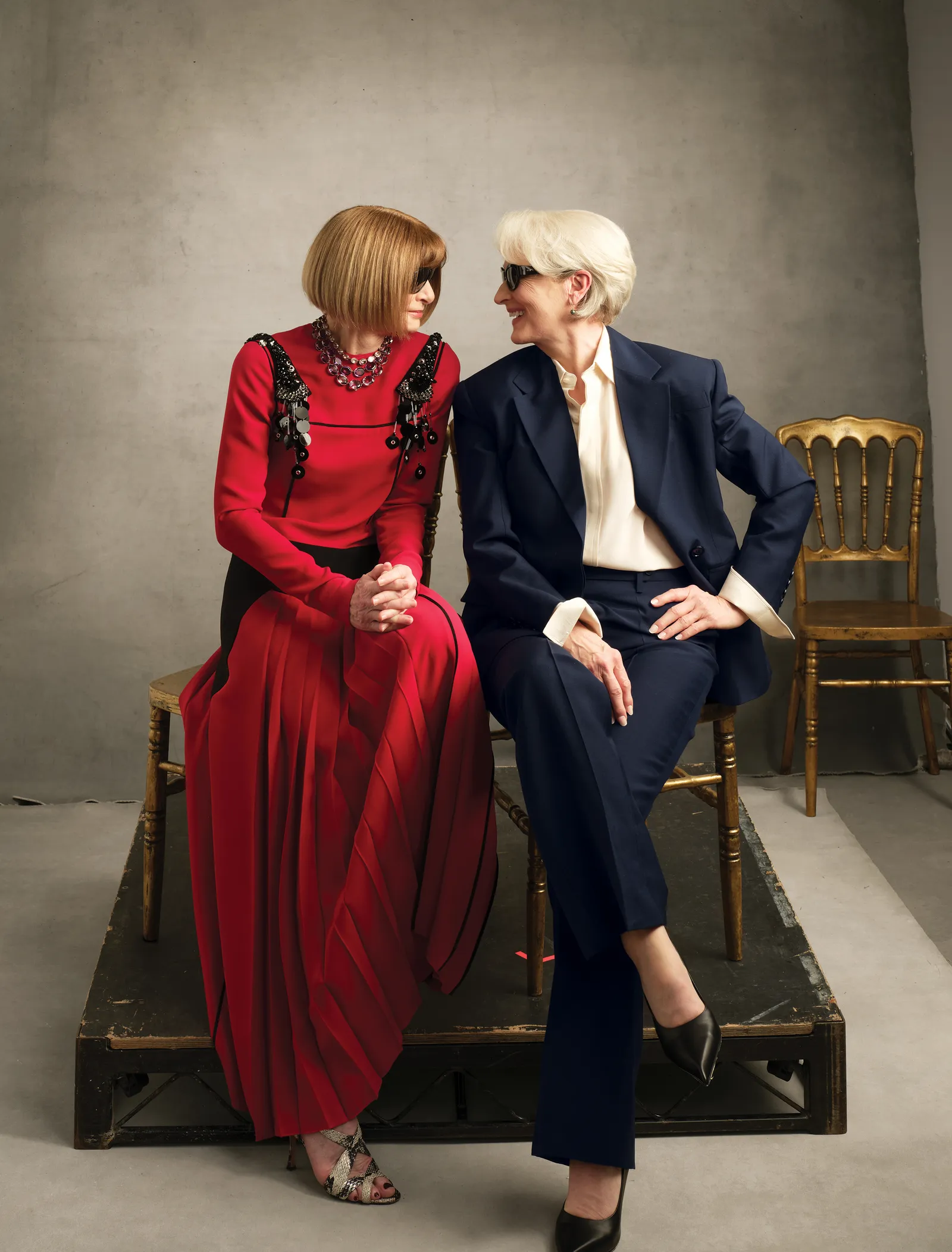
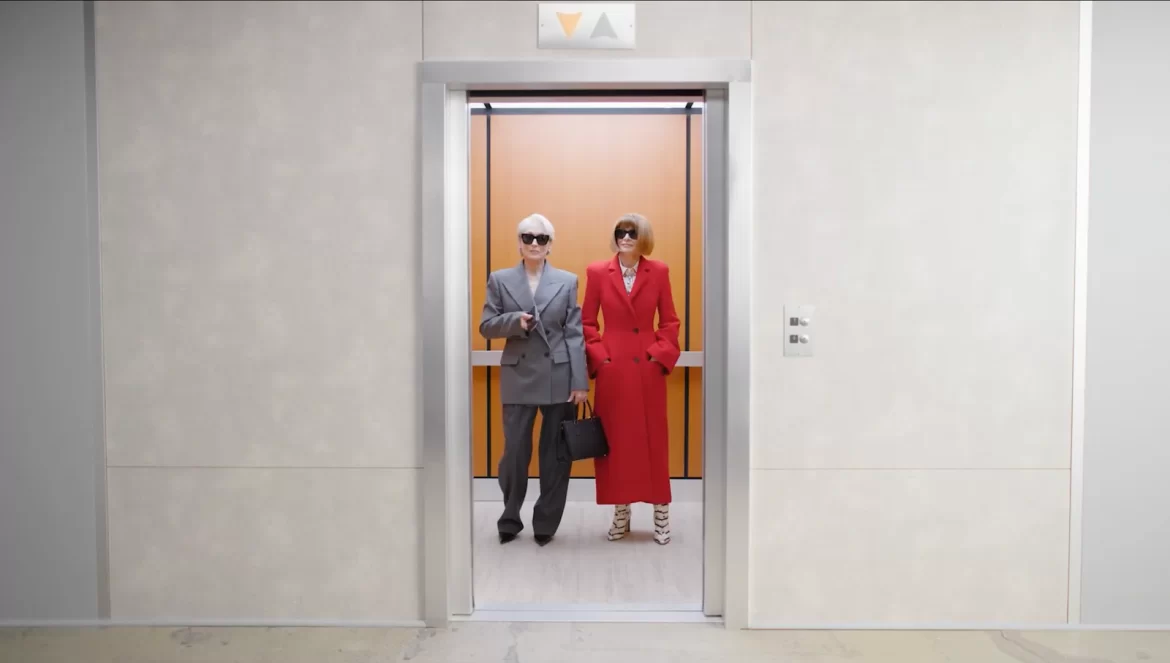
Their recent conversation, published through Vogue, transcended the format of an interview.It became a mirror. A moment in which character and origin, representation and reality, occupied the same frame. What emerged was not distance but clarity: power today is no longer defined by cold authority, but by continuity, awareness, and evolution.
Mehrazin Perspective What we are witnessing is not simply the return of a film. It is the re-emergence of a discourse on fashion, power, identity, and the role of women in shaping cultural systems. From a fictional Runway to global red carpets, from a constructed character to one of the most influential figures in fashion everything converges into a single understanding:fashion is never just clothing.It is a language.And some still define how it is spoken.