When the Future Matters More Than Trends

An Editorial Perspective on Global Fashion Summit 2026
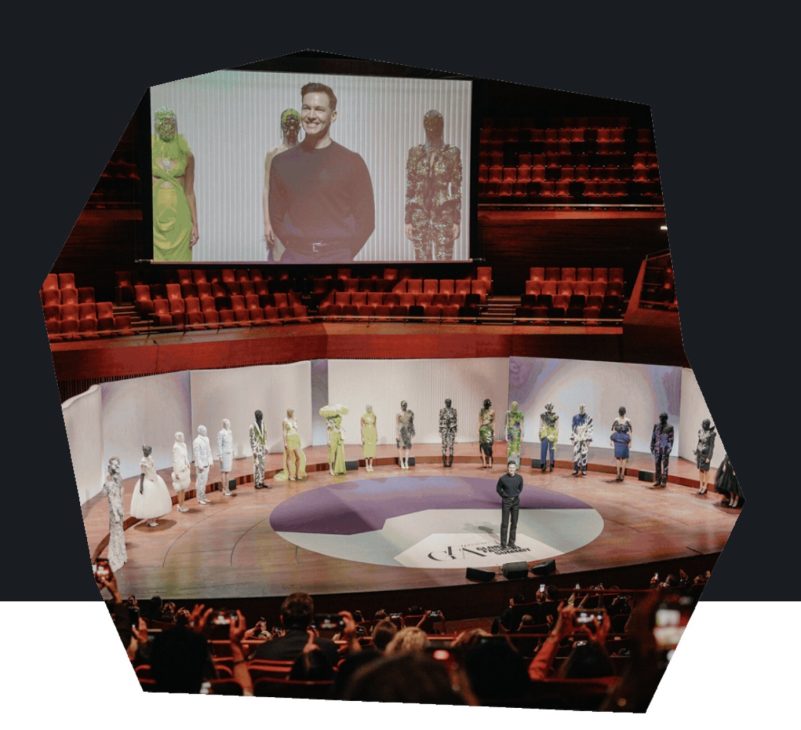
Every season, the fashion world turns its attention to runway debuts, new collections, and the trends set to define the months ahead. Yet, hundreds of miles away from Paris and Milan, another gathering quietly shapes the industry’s future one whose impact may ultimately prove far greater than any runway show. The Global Fashion Summit in Copenhagen is where fashion executives, manufacturers, investors, policymakers, innovators, and sustainability leaders come together not to discuss what fashion will look like next season, but to define what the industry itself must become. This year’s summit made one thing unmistakably clear: fashion is entering a new era. The industry’s greatest challenge is no longer designing the next desirable product, but building businesses capable of surviving an increasingly unpredictable world.
The theme of the 2026 edition Building Resilient Futures was more than a slogan. It became the central narrative running through every keynote, panel discussion, and strategic conversation. Today, resilience means far more than endurance. It is the ability to adapt to geopolitical instability, climate uncertainty, economic volatility, regulatory change, evolving consumer expectations, and the accelerating influence of artificial intelligence. In other words, tomorrow’s leaders will not be those who resist change they will be those who evolve with it faster than anyone else. Over the past few years, fashion has faced an unprecedented series of disruptions: pandemic-related supply chain failures, geopolitical conflicts, rising production costs, energy crises, shifting consumer behavior, and increasingly demanding sustainability regulations. Together, these pressures have fundamentally changed how industry leaders think about growth.
One message resonated throughout the summit:
Sustainability is no longer a corporate value it is a business strategy.
A brand that fails to rethink its resource management, diversify its material sourcing, strengthen its supply chain, or respond to emerging regulations risks losing not only relevance, but competitiveness. As a result, many of the summit’s most significant conversations were no longer centered on garments themselves, but on the economic and operational systems that support the fashion industry. Among the defining themes was the continued rise of the circular economy a model that challenges the traditional cycle of produce, consume, and discard, replacing it with systems designed for longevity, repair, resale, recycling, and regeneration. This shift is no longer driven solely by environmental responsibility. It is increasingly viewed as an economic necessity in a world where resources are finite, raw material costs continue to rise, and consumers demand greater accountability from the brands they support. Supply chains also took center stage.
For years, they remained largely invisible behind the glamour of luxury branding.
Today, they have become one of fashion’s most strategic assets. Throughout the summit, speakers emphasized that the industry’s future cannot be built by brands alone. Manufacturers, textile producers, suppliers, innovators, governments, and investors all play an essential role in creating a more resilient fashion ecosystem. Transformation, the summit argued, must happen across the entire value chain not within isolated companies. Artificial intelligence emerged as another defining topic, although not in the way many expected. Rather than focusing on AI-generated design, discussions explored how artificial intelligence is reshaping demand forecasting, inventory management, supply chain optimization, material innovation, waste reduction, and sustainability reporting. AI is increasingly becoming less of a creative novelty and more of a strategic decision-making tool. Perhaps one of the most significant shifts visible throughout the summit was the changing role of financial leadership. Only a few years ago, sustainability initiatives were largely driven by CSR departments. Today, those conversations have moved into boardrooms and financial planning. Investment in technology, resilient infrastructure, innovative materials, and responsible manufacturing is no longer viewed as an added expense. It is increasingly recognized as an investment in long-term competitiveness and survival. Above all, one idea echoed repeatedly across every stage:

No brand will build the future of fashion alone.
The industry’s next chapter will be defined not by competition alone, but by collaboration between brands and manufacturers, startups and researchers, policymakers and investors. The future belongs to ecosystems rather than isolated success stories. Ultimately, perhaps the most important takeaway from Copenhagen can be distilled into a single thought:
The next generation of successful fashion brands will not necessarily be those that create the most beautiful collections, but those that make the smartest decisions, embrace responsibility, and adapt to change with the greatest agility.
Fashion is gradually leaving behind the age of trends and entering the age of resilience. In this new era, a brand’s true value will be measured not only by the collections it presents, but by the decisions it makes for the future.