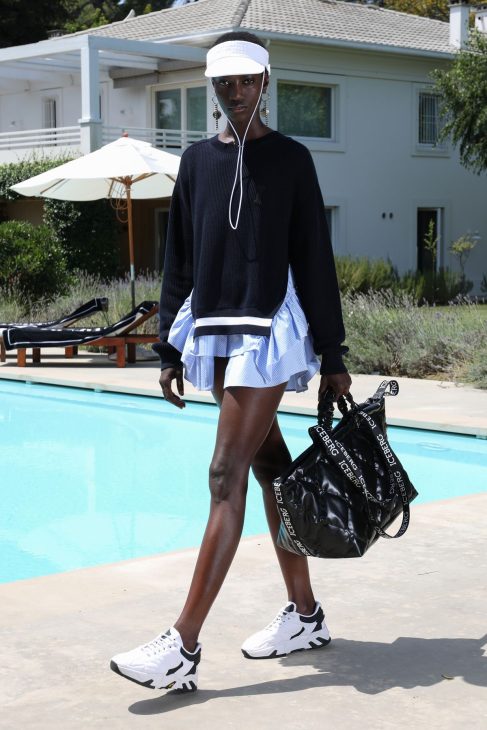
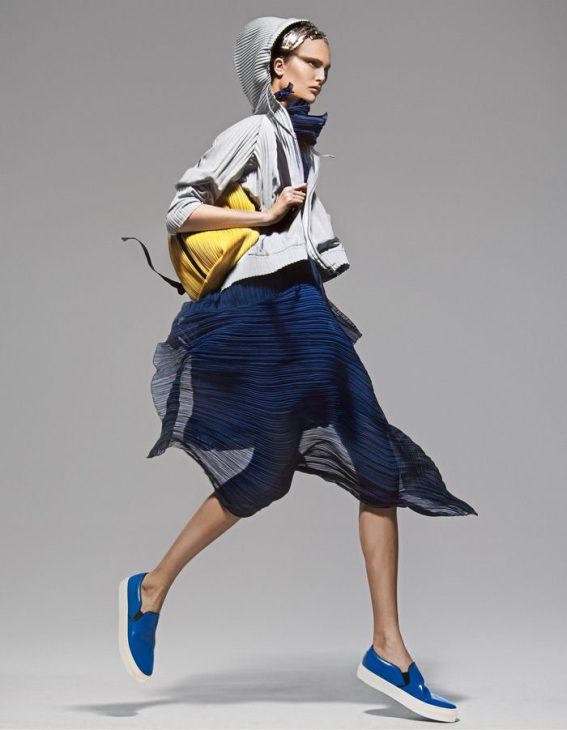
Athleisure is a fusion of two words: athletic and leisure. Yet in fashion, it represents far more than comfortable clothing. Athleisure describes garments that are designed to perform during physical activity while remaining stylish enough for everyday life. They transition effortlessly from the gym to the street, from airports to cafés, from Pilates studios to business meetings. More than a fashion trend, Athleisure represents a cultural shift. It reflects how modern lifestyles have blurred the boundaries between work, wellness, travel, and leisure. Today, a pair of leggings is no longer reserved for exercise. Styled with an oversized blazer, premium sneakers, a structured handbag, and minimalist jewelry, it becomes part of a sophisticated urban wardrobe. Fashion historians generally agree that while the word athleisure appeared in trade publications as early as the late 1970s, the movement itself emerged gradually through the rise of wellness culture, yoga, performance fabrics, and changing consumer lifestyles throughout the 2000s and 2010s.
Athleisure vs. Activewear
Although these terms are often used interchangeably, they describe different concepts. Activewear is created primarily for athletic performance. Every design decision from fabric technology to pattern engineering is intended to improve movement, breathability, moisture management, and comfort during exercise. Athleisure, on the other hand, extends beyond performance. It transforms technical sportswear into fashion. A sports bra becomes part of a layered outfit beneath an oversized shirt. A hoodie is paired with tailored outerwear. Leggings are styled with luxury accessories. The emphasis shifts from athletic function alone to versatility, aesthetics, and lifestyle. For this reason, Athleisure should be understood less as a product category and more as a contemporary way of dressing.
The Origins of Athleisure
Although Athleisure feels distinctly modern, its roots extend back nearly a century. One of its earliest foundations can be found in American Sportswear, a movement that emerged during the mid-twentieth century. Unlike traditional European couture, American Sportswear focused on practicality, comfort, interchangeable separates, and garments designed for everyday life. These ideas laid the conceptual groundwork for Athleisure long before the term existed. A second milestone came with advances in textile technology. The invention of spandex (Lycra) revolutionized apparel design by introducing lightweight, highly stretchable fabrics capable of maintaining their shape while supporting movement. Without these innovations, today’s compression leggings, sports bras, yoga pants, and body-contouring activewear would not exist. A third influence was the growing visibility of sportswear in popular culture. During the 1970s, brands like adidas helped move tracksuits beyond athletics into music, youth culture, and street fashion. Hip-hop artists, dancers, and athletes transformed sportswear into a symbol of identity rather than simply functional clothing.
The Fitness Boom of the 1980s
The 1980s accelerated this transformation dramatically. Aerobics exploded into mainstream culture through fitness icons like Jane Fonda, while brightly colored leggings, bodysuits, headbands, and stretch fabrics became fashion statements in their own right. For the first time, sportswear was embraced outside athletic environments on a global scale. Fitness was no longer viewed solely as exercise it became part of personal identity. Fashion followed.
Princess Diana and the Birth of Modern Athleisure
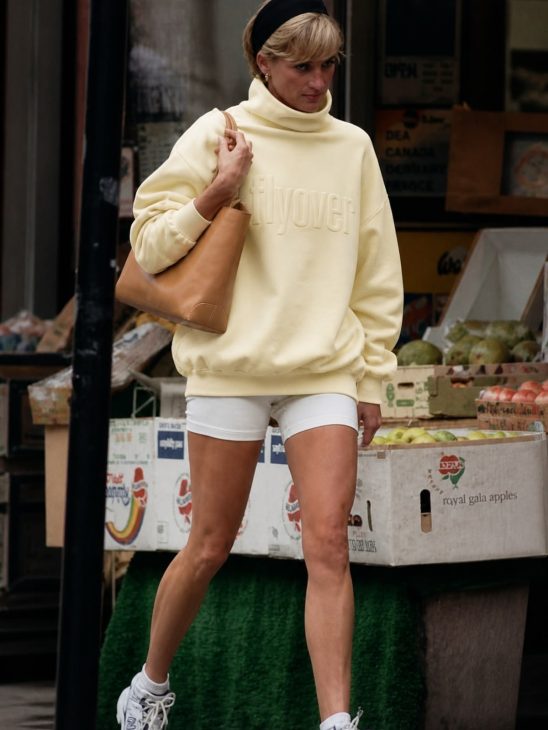
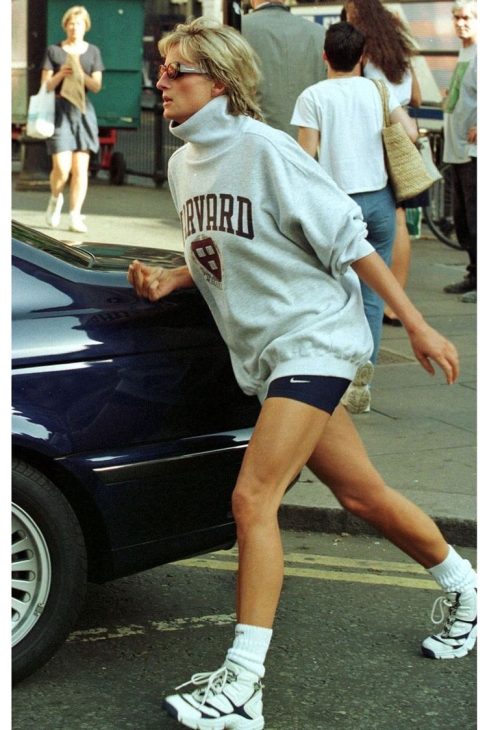
Long before Athleisure became a recognized fashion category, one woman unintentionally created one of its most iconic visual formulas. Princess Diana’s off-duty wardrobe frequently consisted of oversized collegiate sweatshirts, biker shorts, white athletic socks, chunky sneakers, baseball caps, and oversized sunglasses. At the time, these outfits were considered unusually casual for a royal figure. Today, they are regarded as timeless references that continue to inspire designers, celebrities, stylists, and fashion editors worldwide. Her wardrobe demonstrated something revolutionary: Sportswear could be both comfortable and effortlessly elegant.
Why Athleisure Became a Global Phenomenon
The success of Athleisure was driven by far more than fashion trends. It reflected profound changes in modern life. People began traveling more frequently. Remote and hybrid work became increasingly common. Yoga, Pilates, boutique fitness studios, and wellness culture entered everyday routines. Consumers no longer wanted separate wardrobes for exercise, errands, travel, and casual meetings. Instead, they sought clothing that could perform across multiple environments without sacrificing style. Athleisure became the perfect answer.
The Essential Pieces of Athleisure
The foundation of the Athleisure wardrobe consists of garments that combine technical performance with clean, contemporary aesthetics. Core pieces include:
- Leggings
- Flared leggings
- Biker shorts
- Jogger pants
- Sports bras
- Cropped performance tops
- Hoodies
- Sweatshirts
- Zip-up jackets
- Windbreakers
- Tennis skirts
- Polo shirts
- Track pants
- Lifestyle sneakers
- Baseball caps
- Crew socks
- Crossbody bags
- Oversized tote bags
- Lightweight puffer vests
What defines Athleisure, however, is not simply these garments themselves. It is how they are styled together. A pair of leggings worn exclusively inside a gym remains activewear. The same leggings combined with a tailored blazer, luxury handbag, designer sunglasses, and minimalist sneakers become Athleisure. Styling transforms function into fashion.
Signature Athleisure Styling Formulas
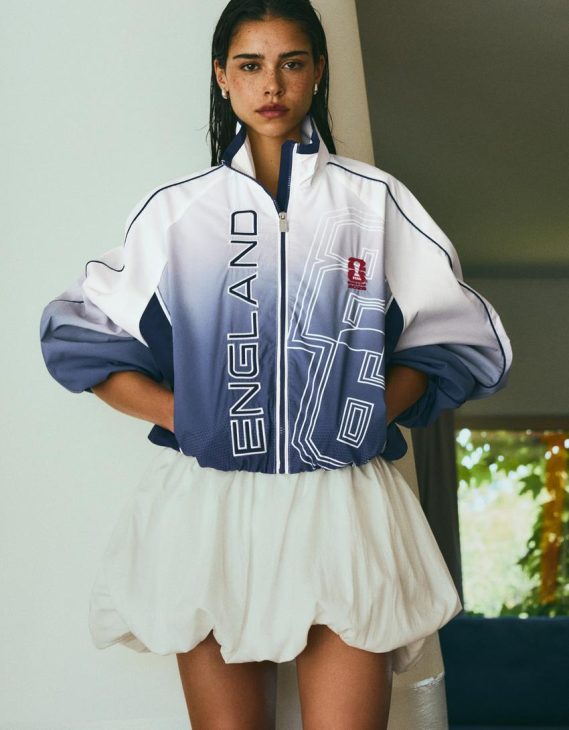
One of the most recognizable interpretations is the Clean Girl Athleisure aesthetic. Neutral leggings are paired with matching sports bras, oversized zip jackets, white sneakers, baseball caps, and understated beauty. The result is polished without appearing overstyled. Another influential approach is Blazer Athleisure, where structured tailoring meets technical performance fabrics. An oversized blazer layered over leggings or biker shorts creates a striking contrast between formal and athletic elements. The Princess Diana Formula remains equally influential. Oversized sweatshirts, biker shorts, athletic socks, chunky sneakers, and simple accessories continue to inspire collections decades later. More recently, Pilates Chic has emerged as one of the defining aesthetics of the decade. Characterized by monochromatic palettes, soft earth tones, luxurious knit fabrics, and minimal branding, it reflects quiet luxury through sportswear. At the highest end of the market, Luxury Athleisure combines technical apparel with designer handbags, fine jewelry, tailored coats, premium leather accessories, and luxury footwear. Here, performance clothing becomes part of an elevated fashion wardrobe rather than merely athletic equipment.
The Celebrities Who Shaped Athleisure
Although athletes contributed to the movement, celebrities ultimately transformed Athleisure into a global fashion language. Princess Diana established its earliest visual identity. In the following decades, models and celebrities such as Hailey Bieber, Kendall Jenner, Bella Hadid, Gigi Hadid, Kaia Gerber, Rosie Huntington-Whiteley, Jennifer Lawrence, and Lady Gaga helped normalize sportswear as everyday luxury. Photographs of these figures leaving Pilates studios, airports, cafés, or simply walking through city streets became powerful marketing tools that influenced millions of consumers worldwide. Rather than advertising campaigns, real-life street style became Athleisure’s strongest form of promotion.
The Brands That Built the Athleisure Industry
No discussion of Athleisure is complete without Lululemon. Founded in Vancouver in 1998, the company fundamentally changed the perception of yoga apparel. It introduced premium technical fabrics while proving that performance clothing could become an everyday fashion statement. Many fashion analysts consider Lululemon the company that transformed yoga pants into a global wardrobe essential. Alo Yoga followed a different path. Originally rooted in yoga apparel, the brand evolved into a complete luxury lifestyle label. Its philosophy of “studio-to-street” expanded beyond activewear to include ready-to-wear collections, outerwear, accessories, wellness products, and elevated retail experiences. Today, Alo positions itself at the intersection of fashion, wellness, and luxury. Meanwhile, Nike and adidas continue to dominate through their deep roots in sports performance and street culture. Rather than abandoning athletic heritage, these brands successfully integrated technical innovation with contemporary fashion collaborations, making sneakers and sportswear central elements of everyday wardrobes.
Emerging Brands Redefining Athleisure
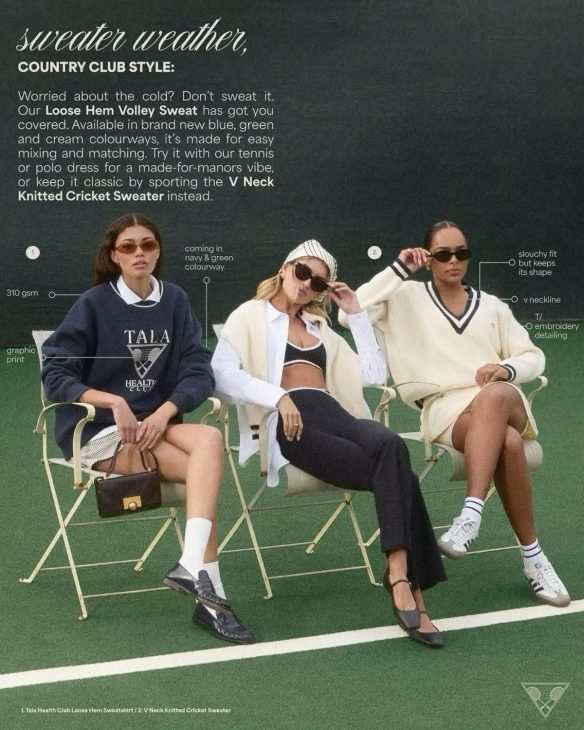
Beyond the industry giants, a new generation of brands has introduced fresh perspectives to Athleisure. Vuori has become known for exceptionally soft fabrics, relaxed California-inspired minimalism, and effortless everyday versatility. Varley offers a more refined British interpretation, blending understated elegance with technical functionality. Girlfriend Collective has earned recognition through sustainable manufacturing, recycled materials, and inclusive sizing. Rather than competing through celebrity endorsements alone, it built a loyal community around responsible production. Sporty & Rich approaches Athleisure through the lens of wellness nostalgia, drawing inspiration from vintage tennis clubs, 1980s fitness culture, and timeless American sportswear. Brands such as P.E Nation, Beyond Yoga, Year of Ours, and TALA each contribute distinct identities, whether through bold graphics, body-conscious silhouettes, sustainable practices, or community-driven branding. In the performance-lifestyle segment, companies like On and HOKA have transformed technical running footwear into everyday fashion staples. At the more niche end of the spectrum, Satisfy and District Vision elevate running into a lifestyle philosophy, combining technical excellence with sophisticated design and cultural storytelling.
Athleisure ultimately represents much more than comfortable clothing. It reflects the values of contemporary life mobility, wellness, flexibility, and effortless elegance. The world’s most successful Athleisure brands do not simply sell leggings or sneakers. They sell an entire lifestyle built around movement, confidence, health, and modern identity. As technology, sustainability, and luxury continue to reshape the fashion industry, Athleisure is no longer simply a trend. It has become one of the defining design languages of twenty-first-century fashion, demonstrating that performance and sophistication are no longer opposing ideas but complementary expressions of how we choose to live.